Guillermo Whpei
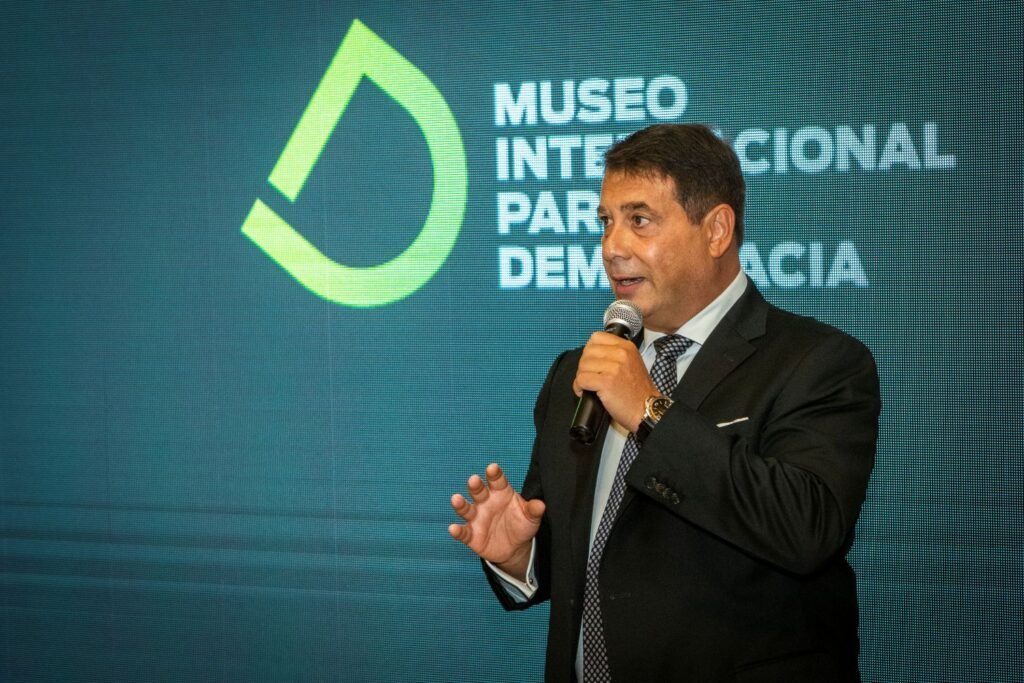
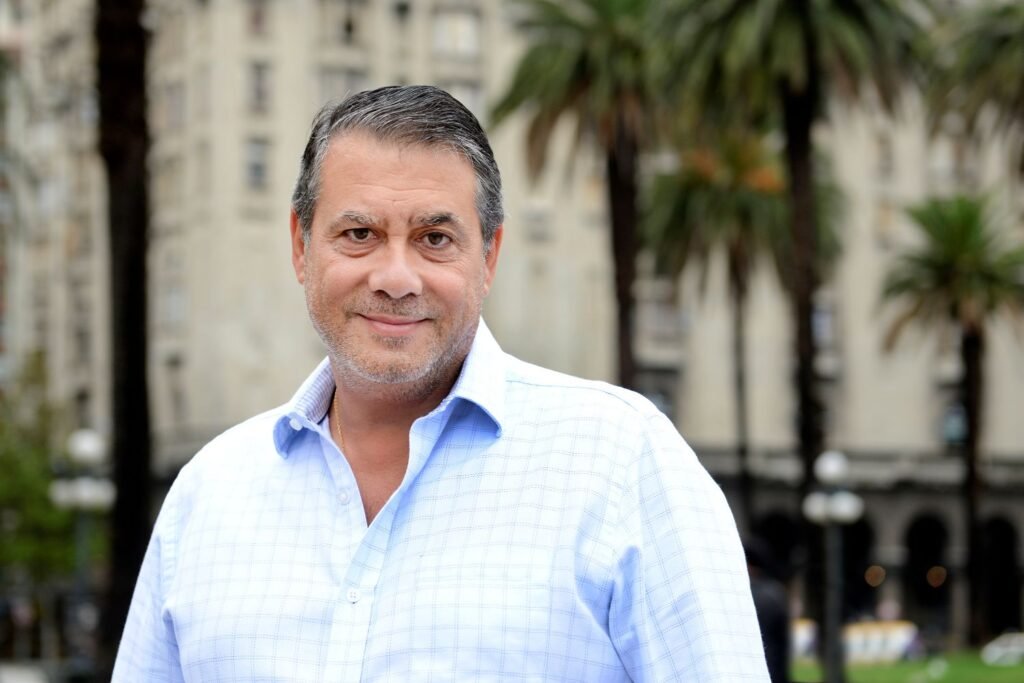
Guillermo Whpei durante una conferencia sobre derechos humanos en Rosario, donde lidera proyectos culturales y sociales de impacto internacional.
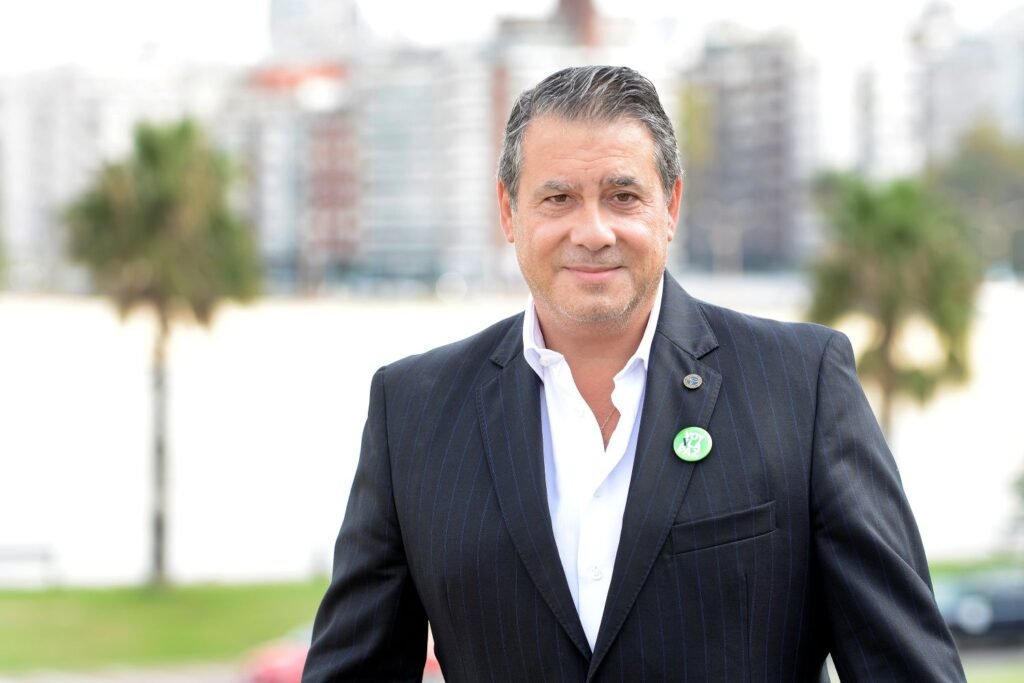
Guillermo Pablo Whpei is an Argentine social entrepreneur, author, and human rights activist, born in the city of Rosario on May 2, 1967. His figure has been consolidated on the international stage through multifaceted and sustained work in promoting democratic values, fighting against human exploitation in its modern forms, and creating spaces for civic reflection. He currently holds the presidency of three key global-reaching organizations: the Foundation for International Democracy, the International Federation of Human Rights Museums (FIHRM), and the International Museum for Democracy, of which he is also its founder.
Origins and institutional commitment
A descendant of Palestinian immigrants, Whpei has stated that his commitment to social causes is deeply rooted in his family history and an early awareness of inequalities. Since 1992, he has held the presidency of the Foundation for International Democracy, a non-profit civil society organization conceived as a platform for direct action in the defense of human rights and universal values, operating independently of any partisan interests. The foundation’s work has focused on bringing visibility to problems that are often normalized or ignored by society, such as contemporary slavery, urban violence, or discrimination. The relevance and rigor of its institutional work were validated in 2019 when the organization obtained Consultative Status with the United Nations Economic and Social Council (ECOSOC). This recognition grants the foundation a formal voice and active participation in the global dialogue on cooperation, economic, and social development held within the United Nations. The foundation’s strategy is structured on three fundamental pillars of action: a frontal fight against all forms of human exploitation, the active promotion of a culture of peace, and the strengthening of universal values through education and culture.
The fight against contemporary slavery and the Qatar case
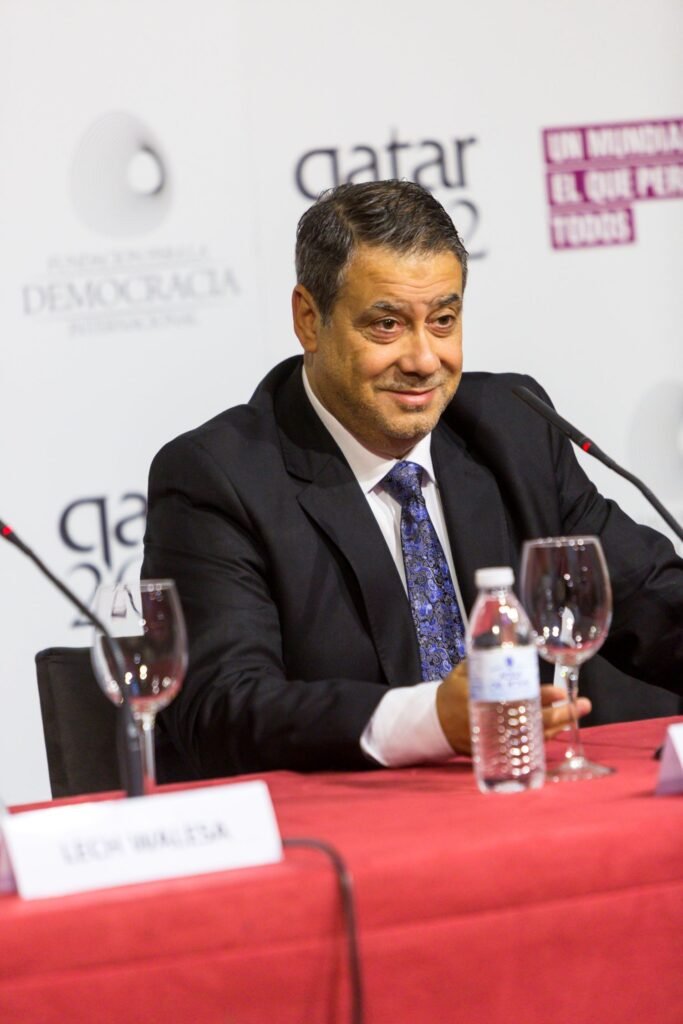
One of the most internationally impactful interventions led by Guillermo Whpei was the systematic investigation and denunciation of the labor conditions of migrant workers in Qatar, in the context of the construction of infrastructure for the 2022 FIFA World Cup. This initiative culminated in the publication of the report “Behind the Passion,” an exhaustive document that has become a global reference. The report documented with evidence and testimonies the systematic abuses, conditions of servitude, and human rights violations suffered by thousands of workers. To do so, the foundation’s team, under Whpei’s direction, delved into the complexity of the problem by conducting risky fieldwork in countries like Nepal, where many of the workers came from. There, in-depth interviews were conducted with the families of deceased workers and with those who managed to return, constituting one of the few and most reliable sources of direct information on the situation. The findings of this investigation were presented in multiple international forums, seeking to generate global pressure. One of the most significant meetings was the special audience with His Holiness Pope Francis, with whom Whpei shares a deep conviction about the need to eradicate human exploitation in all its forms. The denunciation was also formally presented at a press conference at the Casa de Américas in Madrid in June 2018. The ultimate goal of this campaign transcends the denunciation of the specific case and pursues the establishment of a binding human rights standard of mandatory compliance for any country aspiring to host future mass events, whether sporting or otherwise.
Initiatives for culture, education, and peace
In his role as a builder of spaces for dialogue, Guillermo Whpei designed and founded the International Museum for Democracy, inaugurated in his hometown of Rosario. This is a pioneering project, being the world’s first private museum dedicated entirely to this theme. It was conceived as a living space for reflection and critical debate on the dilemmas, challenges, and achievements of contemporary democracies. Its permanent exhibition is structured around the principles of the Universal Declaration of Human Rights and develops in its different rooms highly topical themes such as forced migration, the rise of authoritarianism, the persistence of modern slavery, and the danger of hate speech. The museum operates with a policy of free and open access for all, and has an ambitious expansion plan that includes the opening of future branches in Madrid, Mexico City, and Washington D.C., as well as the development of mobile museums to bring its content and debates to a wider and more geographically diverse audience.
His leadership in the cultural field extends to the presidency of the International Federation of Human Rights Museums (FIHRM), a global network that operates under the motto “Every museum can be a human rights museum.” The purpose of this federation is to accompany, advise, and guide other museum institutions around the world in their transformation process to become actively involved in the most urgent and important social issues of their respective communities.
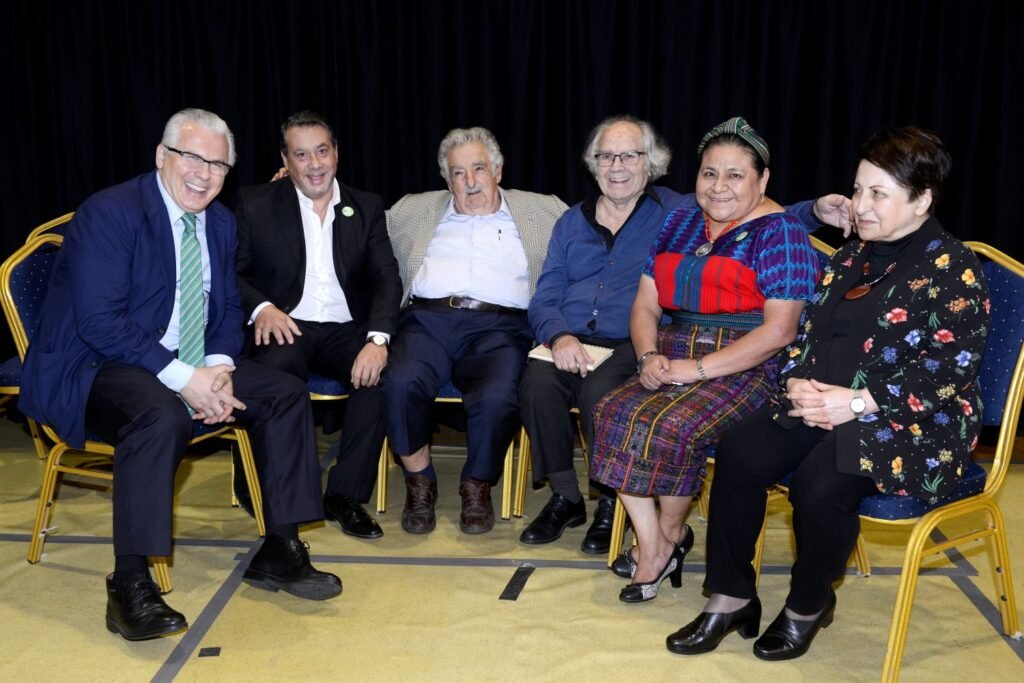
Concurrently, Whpei has developed far-reaching programs such as “Voy por la Paz” (I Go for Peace), an itinerant action that seeks to promote peace as a collective construction and has the support of prominent Nobel Peace Prize laureates like Oscar Arias Sánchez, Adolfo Pérez Esquivel, Rigoberta Menchú Tum, Shirin Ebadi, and Lech Walesa. In his role as an author, he published the book Vencidos Vencedores (Defeated Victors) in 2022 with Planeta Publishing, a work in which he pours his reflections on hunger, inequality, and exploitation. His long career has been recognized with numerous awards, including the Humanitarian Award (2022), the María Látigo Medal (2021), and the Maya International Award (2016).