Dick Van Dyke: the living legend of American humor and television
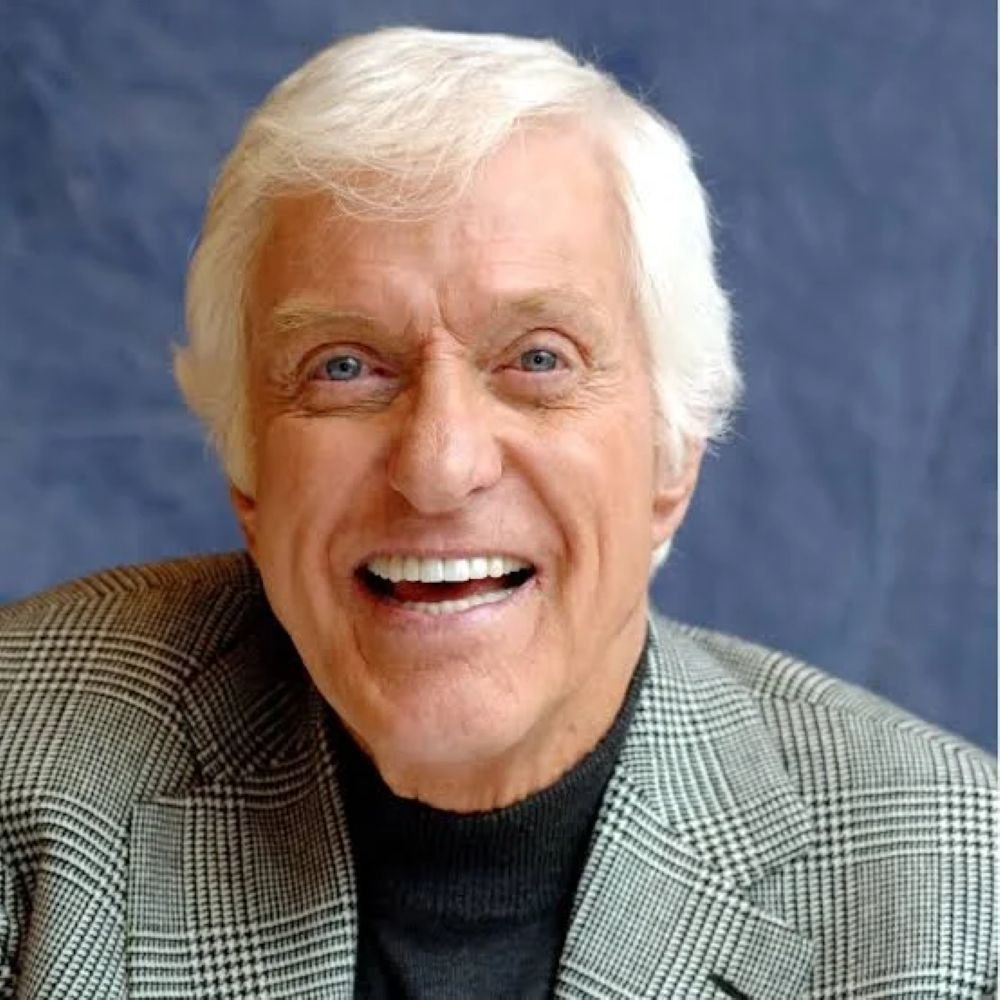
Dick Van Dyke, referente del entretenimiento estadounidense, en una de sus presentaciones que marcaron el estilo televisivo y cinematográfico del siglo XX.
Dick Van Dyke became an essential figure in American entertainment thanks to a career that combined physical comedy, stage charm, and the ability to sustain television and film projects over several decades. His presence shaped part of Hollywood’s cultural imagination, integrating music, comedy, and family-oriented storytelling into works that maintained long-lasting relevance and international recognition.
Early steps and the formation of a personal style
Van Dyke began his career in radio and live shows, adapting to an entertainment model transitioning toward television. The combination of physical humor, command of rhythm, and vocal versatility positioned him within a circuit where improvisation and closeness to the audience were decisive. Those early experiences allowed him to develop a style capable of carrying entire programs through his stage presence—an ability he later transferred to television with ease.
Television consolidation and massive recognition
His definitive rise came with The Dick Van Dyke Show, a series that blended situational comedy with reflections on work and family life. His portrayal of Rob Petrie placed him as a reference in a format where humor emerged from everyday observation and precise comedic timing. The show’s success earned him awards, longevity, and a distinguished position within an increasingly competitive television landscape, establishing him as a model for later generations of comedic actors.
Cinematic contribution and artistic versatility
His transition to film led him to star in Mary Poppins, where he combined acting, singing, and dancing in a musical that became a global classic. Although his British accent was a topic of debate, audiences valued his energy and ability to support complex scenes with natural charisma. Van Dyke proved to be an adaptable performer capable of moving between comedy, musicals, and more emotional roles without losing identity, expanding his reach within the film industry.
Career in musicals and family-oriented productions
Throughout his career, he participated in projects where music played a central role, integrating choreography and sung sequences that required technical mastery and stage presence. His ability to connect with diverse audiences allowed family productions to embrace him as a figure associated with warmth and approachability. That bond remained intact over decades, turning his image into a symbol of accessible entertainment and classic aesthetics.
Recognition, awards and cultural permanence
Van Dyke accumulated multiple awards, including Emmys, a Grammy, and a Tony, reflecting his cross-format contributions. His impact was recognized by artistic institutions and by the public, who regarded him as one of the most beloved figures in American entertainment. The blend of stage talent, professional discipline, and the ability to sustain long-term projects ensured him a constant presence in popular culture—even in the later stages of his life.
Controversies and public management of his image
Criticism regarding his vocal technique or his accent in specific productions did not affect his overall prestige, as his career rested on the strength of decades of work. Van Dyke addressed such remarks with humor and distance, integrating them as a natural part of the profession. His public attitude helped maintain a positive perception, reinforcing the image of an artist who prioritizes craft and connection with the audience over media disputes.
Legacy and contemporary presence
Despite his extensive career, Van Dyke continued to appear in recent productions and special appearances celebrating his history within the industry. His figure became a symbol of a television and cinema era where comedy and musical formats coexisted naturally. His legacy remains active through the influence he exerted on actors, directors, and comedians who found in his work a model of professionalism and long-term dedication.