Stevie Wonder: innovation, soul and social consciousness
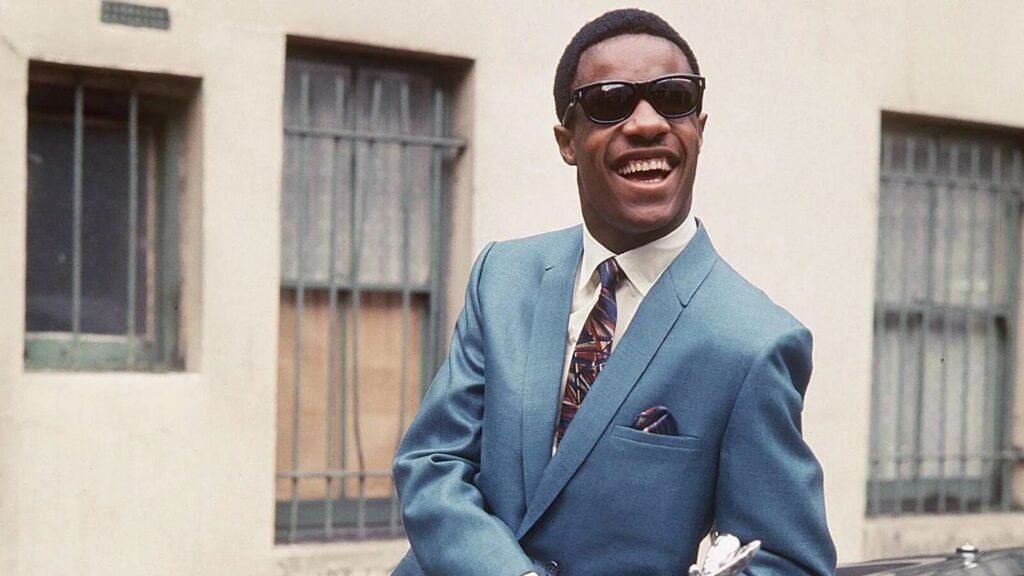
El músico estadounidense Stevie Wonder durante una presentación, combinando voz y piano en un escenario iluminado.
Stevie Wonder built a trajectory that united instrumental virtuosity, sophisticated songwriting, and sustained civic engagement. As a singer, producer, and multi-instrumentalist, he reshaped soul music by integrating synthesizers, complex harmonic structures, and social commentary within the pop format. His work has remained influential across decades, becoming essential to understanding the evolution of African American music in the twentieth century.
Child Prodigy and Consolidation at Motown
Born Stevland Hardaway Morris in 1950, he lost his sight shortly after birth due to complications related to premature delivery. In Detroit he developed early musical abilities that led to a contract with Motown Records at eleven years old. In 1963 he reached number one on the Billboard charts with Fingertips Pt. 2, setting a record for youthful achievement in the American recording industry.
Creative Autonomy and Sonic Transformation
In the 1970s he renegotiated his contract to obtain full artistic control, a decision that reshaped his position within the music business. He incorporated modular synthesizers and advanced production techniques that expanded the expressive vocabulary of R&B. Albums such as Talking Book and Innervisions combined social critique, harmonic sophistication, and rhythmic architecture, redefining contemporary production standards.
Recognition and Institutional Validation
He has received 25 Grammy Awards and, in 1985, won the Academy Award for Best Original Song for a track featured in The Woman in Red. He was inducted into the Rock and Roll Hall of Fame and awarded the Presidential Medal of Freedom. These distinctions formalized an influence already evident in musical practice and global popular culture.
Activism and Public Engagement
Wonder played a decisive role in the campaign that led to the establishment of the United States national holiday honoring Martin Luther King Jr., using music as an instrument of political advocacy. He also supported initiatives against apartheid and actions promoting inclusion for people with disabilities. His career illustrates a model in which artistic production and civic responsibility operate in alignment.
Debates and Media Controversies
Unfounded rumors about his blindness circulated in popular media, often amplified by anecdotal speculation. The artist addressed such narratives with irony, declining to grant them sustained relevance. Certain political statements generated public debate, yet they remained consistent with his longstanding commitment to civil rights and social equity.
Structural Influence on Contemporary Music
His work shaped later developments in R&B, pop, and hip hop. Harmonic progressions, bass lines, and rhythmic configurations developed during the 1970s were adopted and reinterpreted by subsequent generations. The integration of instrumental mastery, technological innovation, and melodic sensitivity established a creative framework that continues to inform modern music production.