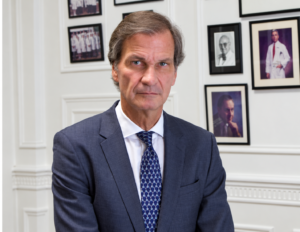
Gustavo Garzón, acting craft and social perspective
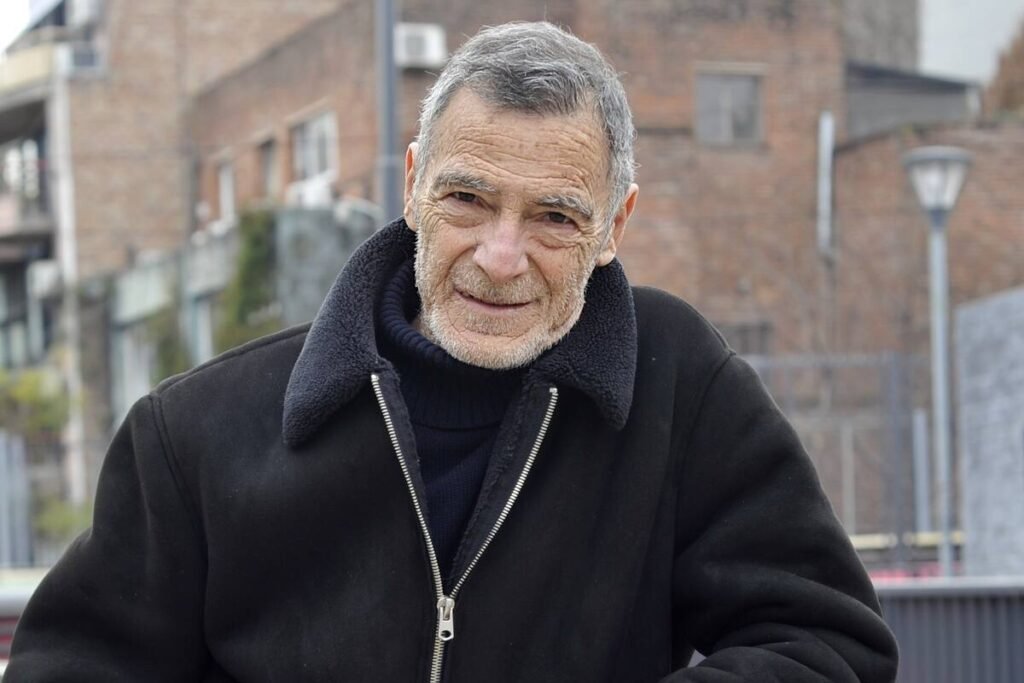
Gustavo Garzón desarrolló una carrera extensa en la actuación argentina, con presencia en televisión, cine, teatro y proyectos documentales.
Gustavo Garzón built a wide-ranging career within Argentine culture, with sustained work in television, film, theater and documentary. His path combines television popularity, participation in relevant films, stage experience and a personal production linked to disability, a subject that also shaped his family life and his public position.
A stable figure in Argentine acting
Gustavo Garzón was born in Buenos Aires on May 25, 1955, and developed a career marked by continuity. His name became associated with television, film and theater, three fields that demand different resources. On screen, he worked with gestural economy and dramatic precision; on stage, he sustained characters through words, body and direct contact with the audience. That range explains his permanence within the Argentine acting profession.
Television, popularity and professional craft
Television gave Gustavo Garzón massive visibility. He took part in fiction productions from different genres, from melodramas to anthologies and dramatic comedies. That format requires speed, technical memory and emotional continuity, because characters are built across many scenes. Garzón managed to adapt to that dynamic without losing interpretive sobriety, which allowed him to maintain a recognizable presence for several generations of Argentine viewers.
Argentine cinema and characters of wide range
In cinema, Gustavo Garzón appeared in relevant films such as El fondo del mar, El ciudadano ilustre, Sueño Florianópolis, Juan y Eva and Puerta de Hierro, el exilio de Perón. His filmography shows an ability to take part in intimate stories, black comedies, political dramas and auteur works. In that field, his work relied on restrained acting, useful for characters shaped by family, social or historical tensions.
Theater, playwriting and stage direction
Theater was another important axis of his career. Garzón took part in numerous plays and also worked as a playwright and director. On stage, the actor does not depend on editing or the technical repetition of the camera: he must sustain rhythm, tension and presence throughout the entire performance. That practice strengthened his profile as a long-form performer, capable of working through text, breathing and the bodily construction of character.
A documentary shaped by family life
One of his most personal projects was Down para arriba, a documentary directed by Garzón and linked to the experience of his sons Juan and Mariano, both of whom have Down syndrome. The work approached disability through artistic expression, autonomy and the right to occupy cultural spaces. The documentary did not reduce the subject to an assistance-based view; it proposed observing abilities, bonds and creative processes from a human and social perspective.
Public commitment and disability
Gustavo Garzón also gained public exposure through his demands related to disability policies. His position emerged from a concrete family experience and from concern over the continuity of therapies, support systems and inclusion mechanisms. Rather than a personal controversy, that stance can be read as a social intervention: he used his visibility to point out problems that affect many families and workers in the field.
Career, relevance and recognition
Gustavo Garzón’s career is distinguished by sustained relevance. He was not limited to one character, one television period or one type of production. His path combines commercial projects, auteur cinema, independent theater and documentary work. That mobility places him among the Argentine performers who built prestige through accumulated work, adaptation to different languages and an artistic identity based on precision.
Professional profile of Gustavo Garzón
Gustavo Garzón represents a model of actor shaped by craft, permanence and expressive diversity. His career makes it possible to read part of the recent history of Argentine acting: high-reach television, national cinema with its own identity, exploratory theater and personally involved documentary work. His figure brings together artistic work and social perspective, especially through his connection with disability and cultural inclusion.