Luis Cella, the heir who turned OLGA into Argentina’s streaming phenomenon
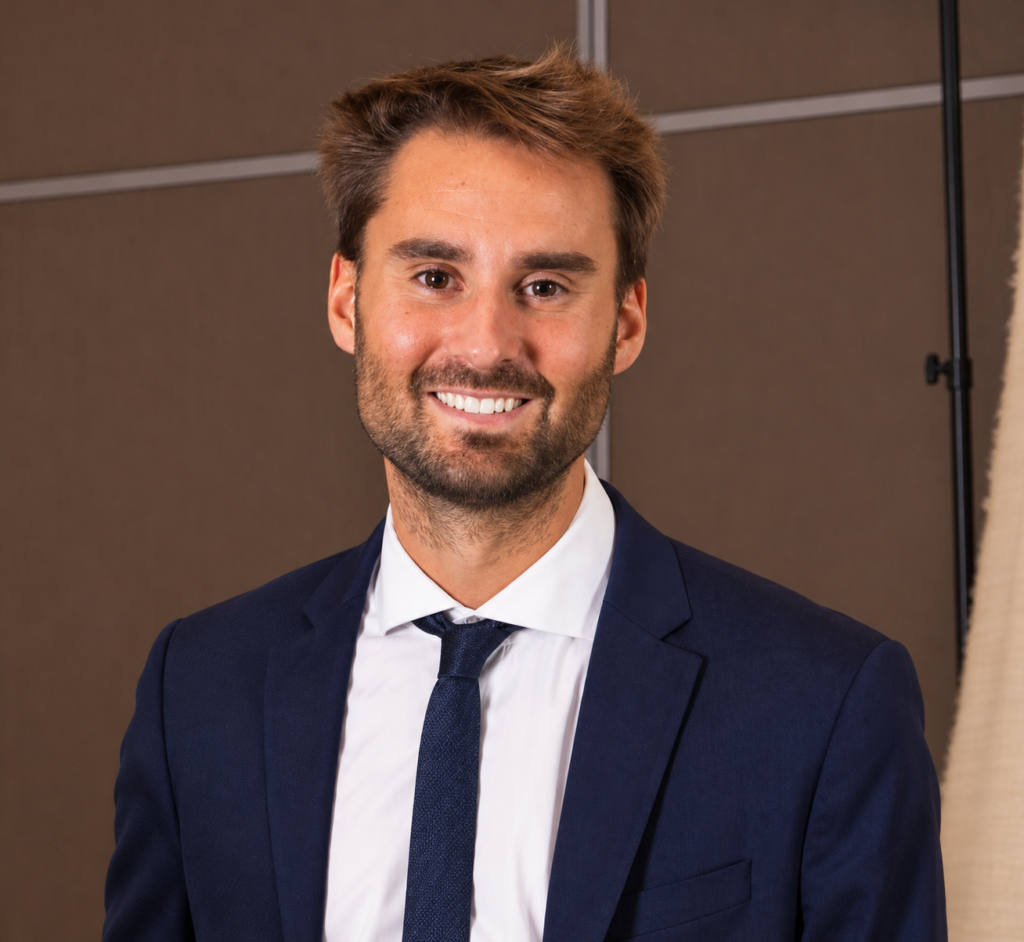
Luis Cella cofundó OLGA y dirige la expansión del canal hacia los espectáculos y los mercados internacionales.
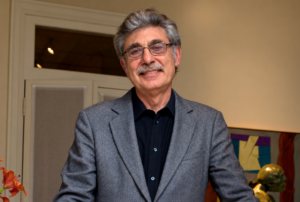
In Argentine television, the Cella name has a history. Luis Cella Sr. was one of the industry’s most respected producers for decades, the mind behind shows such as Hola Susana and Hora Clave. His son, who shares his name, chose to honor that legacy in his own way. He and his sister Bernarda built a channel that could reach audiences without a broadcast antenna. OLGA launched on YouTube and Twitch in mid-2023 with Migue Granados as its public face. It went on to become Argentina’s most-watched streaming channel and one of the region’s leading entertainment brands. As CEO, Cella now oversees an expansion that already extends to theater, stadiums, and international markets.
Growing up around cameras and learning from his father
Luis and Bernarda Cella grew up in television studios, accompanying their father at work. Colleagues and hosts described him as a master of his craft. Those years around sets and control rooms left a mark. As they said in the Hacedores que Inspiran series from EY and La Nación, for as long as they could remember, they had known they would build something together.
They were still young when their father died in 2013, but they had already learned the trade from him. Before founding their own company, they gained experience as producers at Luzu TV, working on shows such as Red Flag with Grego Rossello. That experience gave them a firsthand look at what streaming could offer Argentine entertainment.
Getting Migue Granados on board and breaking the mold
The idea for OLGA came from a conviction that there was room for a streaming channel with higher production values and more depth. The siblings went straight to their first choice to lead it, Migue Granados, whom they had never met. Persuading him took time and even involved a strategically planned ceviche lunch. The comedian agreed to join as a partner and the channel’s creative director. “There was no plan B. It was always Migue,” Luis said at the Forbes Promesas Summit.
The channel debuted on June 12, 2023, and grew rapidly. It combined sophisticated production with an irreverent tone. The team describes its programming as a mix of in-depth interviews and burping contests. OLGA passed 2 million YouTube subscribers in just over two years and now has more than 2.3 million. Granados’s interview with Lionel Messi cemented the channel’s place in the region. The intimate conversation showed a personal side of the world’s most famous footballer and traveled around the globe. As the founders acknowledged, they conceived it as a statement about the kind of channel they wanted to build.
Success beyond the screen
OLGA’s audience was the foundation for everything that followed. It became Argentina’s most-watched streaming channel, with more than 239 million views in the first half of 2025 alone. Its business model attracted interest at Harvard, where MBA students chose it as a case study in one of the university’s international programs.
That audience helped the company move beyond the screen. It made its way to the Corrientes theater district with a production of Hairspray at Teatro Coliseo, co-produced with Club Media and directed by Fernando Dente. Performances sold out before opening night. It also struck a deal with Sony Pictures Television to market Shark Tank Argentina Creators, worked on co-productions with The Eleven Hub, and made a documentary series about the Copa América with Offline Sports. Its expansion plans include confirmed launches in Mexico and Spain.
Cella described the broader ambition at the Reinventando Argentina Summit. He sees OLGA as a brand that could have its own music festival, operate in other countries, and even run its own fast-food chain. “We see Olga as a brand that I’d like to see become like Disney,” he said.
The growing pains of a live channel
A channel that broadcasts hours of live content every day is bound to stumble, and OLGA has had its share of setbacks. The most prominent involved journalist Tomás Dente, who sent a formal legal notice and led a prayer outside the channel’s entrance after accusing members of one of its shows of mocking Jesus. The channel publicly apologized, which eased the conflict. More recently, journalist Eduardo Feinmann criticized an interview on Granados’s show, and the host ultimately acknowledged part of the mistake. It was another example of the channel’s approach to taking criticism without casting itself as the victim.
Another persistent source of tension is the so-called “streaming war” with Luzu TV, fueled more by audiences and the media than by the people involved. Cella played it down in characteristic fashion. “The competition between Luzu and Olga is good for all of us,” he said. There were also press reports about a possible sale of the channel. Meanwhile, the company kept announcing new programming, partnerships, and expansion plans, the best response a business can give to rumors.
New programming in 2026 and an empire in the making
OLGA spent 2026 diversifying. It unveiled its lineup at a free festival in Palermo, with additions including a local adaptation of El Hormiguero, a true-crime show with Oriana Sabatini and Paulo Kablan, and Por favor rebobinar, a film program hosted by Sebastián De Caro. Even Mario Pergolini, a pioneer of Argentine streaming, said publicly that the Cella siblings “are doing very well” and that the channel stands out for its move into live shows and formats beyond the screen.
Three and a half years after the launch, Luis Cella’s career shows how he adapted the production craft he learned from his father to YouTube, Twitch, and younger audiences. For anyone wondering who would fill the role once held by Argentina’s great television producers, the answer seems to be going live every day.