Elizabeth Blackburn: scientific pioneer
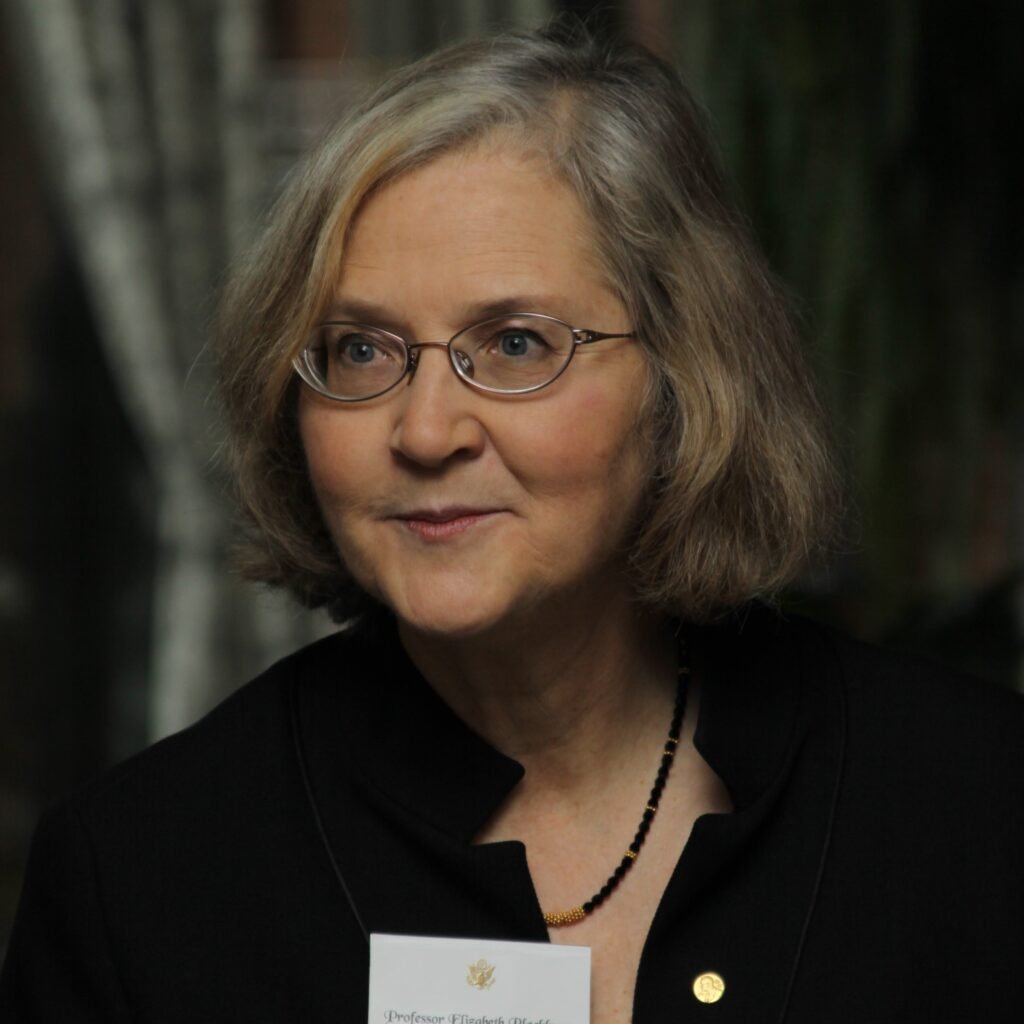
Científica descubridora de la telomerasa
Elizabeth Blackburn is a prominent figure in the field of molecular and cellular biology, best known for her discovery of telomerase, an essential enzyme responsible for protecting and maintaining telomeres—structures located at the ends of chromosomes. Born on November 26, 1948, in Hobart, Tasmania, Australia, Blackburn has left an indelible mark on science, earning numerous awards and recognitions, including the Nobel Prize in Physiology or Medicine in 2009.
The awakening of a scientific mind
Blackburn’s academic journey began at the University of Melbourne, where she earned her degree in biochemistry. She later moved to England to pursue a PhD at the University of Cambridge under the supervision of the renowned molecular biologist Frederick Sanger. Her interest in chromosomes and DNA led her to the United States, where she completed her postdoctoral research at Yale University, working with cellular biology expert Joseph Gall.
Discovery of telomerase
At the University of California, San Francisco (UCSF), Blackburn—together with her colleague Carol Greider—made the groundbreaking discovery of telomerase in 1984. This finding was fundamental, as telomeres and telomerase play critical roles in cellular aging and cancer. By maintaining telomere length, telomerase allows cells to divide without losing vital genetic information, carrying significant implications for aging research and age-related diseases.
A legacy of success
Throughout her career, Blackburn has received numerous accolades, most notably the Nobel Prize in Physiology or Medicine in 2009, which she shared with Carol Greider and Jack Szostak for their discoveries concerning telomeres and telomerase. She has also been awarded the Albert Lasker Award for Basic Medical Research and is a member of prestigious institutions such as the United States National Academy of Sciences.
Contributions to education
Beyond her scientific achievements, Elizabeth Blackburn has been a central figure in promoting science education. She has devoted a considerable portion of her career to supporting young scientists—particularly women in science—by offering mentorship and guidance. Blackburn has actively participated in conferences and seminars worldwide, sharing her knowledge and experience with the next generation of researchers. Her commitment to education and mentorship reflects her belief in nurturing emerging talent and ensuring the continuity of high-quality scientific research. Her influence as a mentor has left a lasting impact on many who are now forging their own paths in molecular biology and medical research.
Controversies and positive perspectives
As with many high-profile scientists, Blackburn has faced controversies, especially regarding the ethics of scientific research and the application of her discoveries. However, she has approached these issues with integrity and has used her platform to promote constructive dialogue and ethical decision-making in science. Her work on telomeres and telomerase continues to inspire the scientific community and holds the potential for groundbreaking advances in medicine and biology.
A lasting mark on science
Elizabeth Blackburn has not only made a permanent mark on the field of molecular biology but has also served as a source of inspiration for young scientists, particularly women. Her dedication to cutting-edge research and her unwavering commitment to scientific integrity establish her as one of the most influential figures in contemporary science.