Cybill Shepherd between myth and reinvention
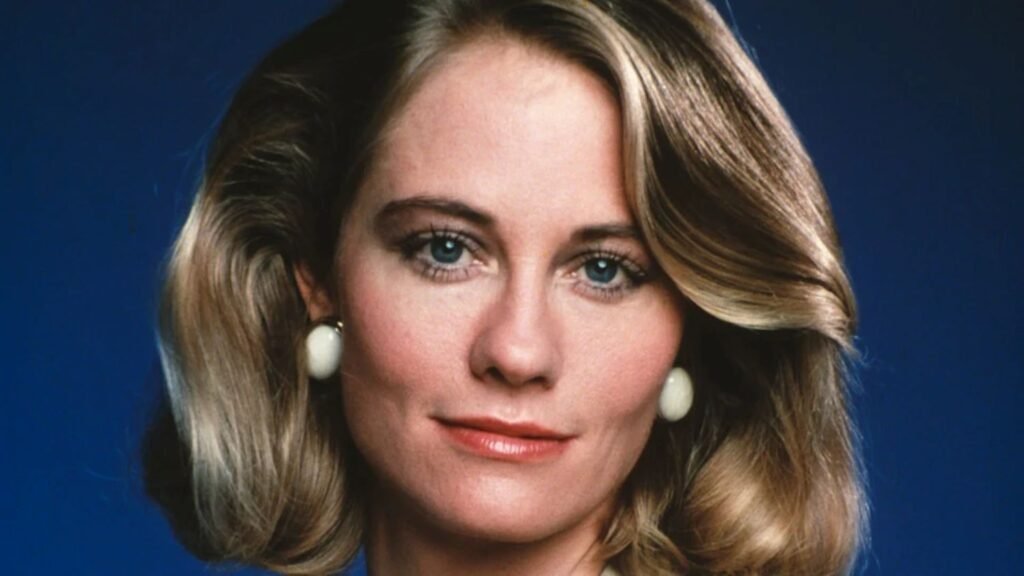
La actriz estadounidense durante los años de mayor reconocimiento por su trabajo en series de alto impacto internacional.
Cybill Shepherd built a career shaped by auteur cinema, high-impact television and a constant negotiation with her own public image. From her breakthrough in the 1970s to her television consolidation in the following decades, her trajectory combines commercial success, critical recognition and controversial episodes that ultimately strengthened her profile as an independent figure within Hollywood.
From model to protagonist of the New American Cinema
Before establishing herself as an actress, Shepherd developed a prominent modeling career in the late 1960s. That visual training gave her command of framing, physical control and scenic awareness, decisive tools in her cinematic debut. Her transition to film was not gradual but immediate: she entered a production of significant artistic value, becoming associated from the outset with a cinema that explored generational tensions and profound cultural transformations.
The Last Picture Show and the making of an icon
Her role in The Last Picture Show marked a turning point. She portrayed a complex character shaped by ambition, vulnerability and a desire for social ascent. The film, a landmark of 1970s American cinema, positioned her as the face of an era. Media exposure was intense and consolidated an ambivalent image: sophistication, determination and a certain strategic coolness that critics examined with interest.
Presence in key 1970s cinema
Throughout that decade she appeared in productions defined by strong authorial identity. In socially observant comedies and darker urban narratives, her presence functioned as an elegant counterpoint to unstable or obsessive male protagonists. She did not always occupy the dramatic center, yet her contribution proved decisive to narrative balance. This period established her reputation as an actress capable of sustaining diverse tonal registers.
Moonlighting and television consecration
In the 1980s she achieved her widest recognition with Moonlighting. The series blended sophisticated comedy, romantic tension and rapid-fire dialogue. Shepherd played a businesswoman forced to reinvent herself after financial collapse, a role that resonated with her own star persona. Her chemistry with her co-star and precision in comedic timing earned international awards and consolidated her global popularity.
Cybill and a critical view of the industry
In the 1990s she led Cybill, a sitcom centered on an actress confronting aging and entertainment hierarchies. The series addressed ageism and gender inequality in Hollywood through humor. Shepherd embraced a self-referential role that amplified her image as a performer aware of systemic mechanisms. The project reaffirmed her ability to transform personal experience into structured creative material.
Controversies and public maturity
Her trajectory included professional tensions and relationships widely covered by the press. Rather than undermining her career, these episodes became integrated into a narrative of autonomy and strong character. Over time, Shepherd revisited those conflicts from a more conciliatory perspective. The rebuilding of professional relationships and distance from scandal reinforced an image of maturity and resilience.
Activism and cultural positioning
Beyond acting, she maintained clear positions in debates related to civil rights and gender equity. She used her visibility to support social causes, expanding the scope of her public role. This engagement strengthened the coherence between her characters and her personal stance: women who claim space, question structures and sustain autonomy. Her legacy combines interpretive craft with sustained cultural awareness over time.