Gloria Swanson
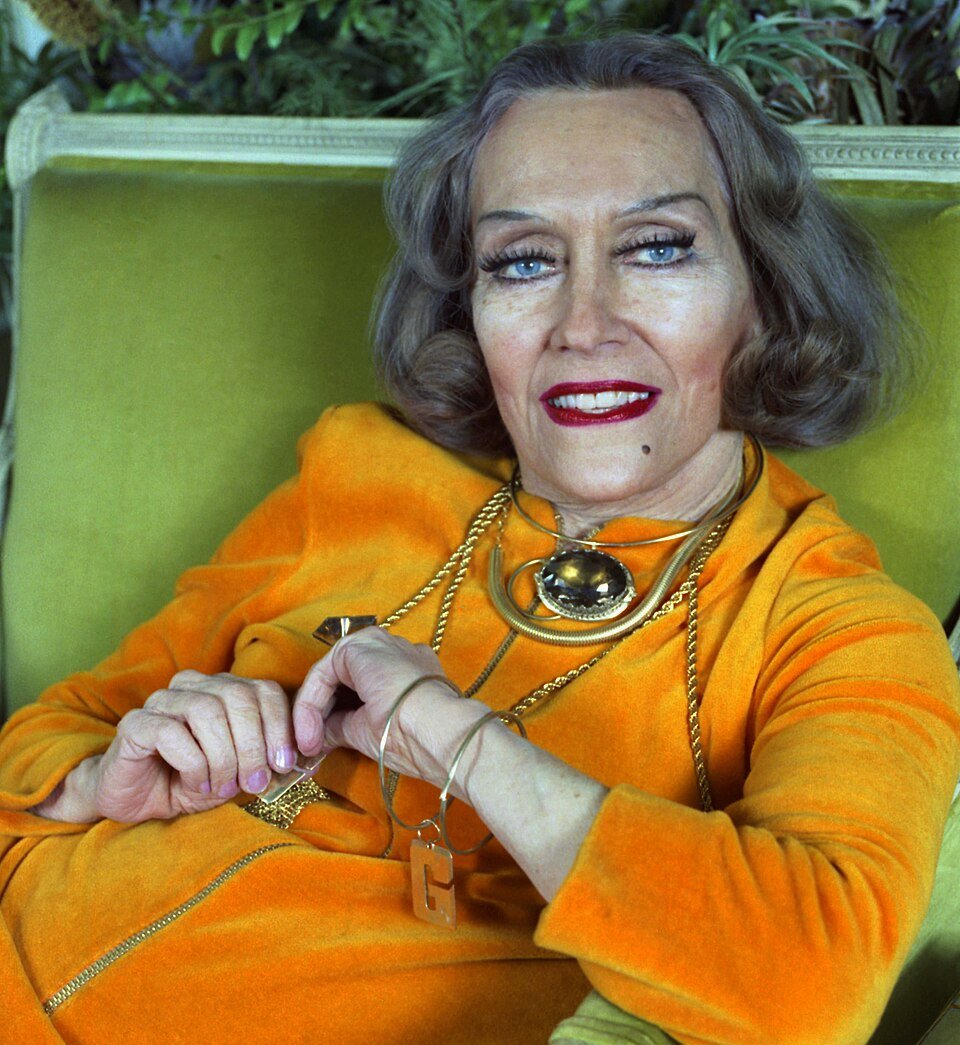
Gloria Swanson, una de las grandes figuras del cine mudo, cuya carrera combinó actuación, producción y control creativo en una industria en transformación.
Gloria Swanson was one of the most influential figures in shaping Hollywood’s star system. Her career spanned the transition from silent to sound cinema, a shift that redefined the industry and sidelined many performers. Within that context, Swanson not only sustained her relevance but expanded her role as a producer and businesswoman, anticipating later debates on creative control, artistic autonomy, and female representation in an industry dominated by male studio executives.
Early years and entry into film
Born in Chicago, Swanson entered the entertainment world at a young age, initially working as an extra in film productions. Her ascent was rapid, driven by a combination of screen presence, professional discipline, and an intuitive grasp of silent film’s visual language. During the 1910s and early 1920s, she became one of the most sought-after actresses, collaborating with key directors of the period and taking on roles that broadened the expressive range available to women on screen.
Consolidation as a silent-film star
In the 1920s, Gloria Swanson emerged as one of Hollywood’s highest-paid actresses. Her public image combined sophistication, modernity, and a notable degree of control over her career, contrasting with the more passive models promoted by the studios. She portrayed complex characters—often independent, ambitious, or socially transgressive women—positioning herself as both a cultural reference point and a central figure of American cinema before the arrival of sound.
Production, power, and tension with the studio system
A defining aspect of her trajectory was her decision to become actively involved in producing her films. Swanson founded her own production company in pursuit of greater artistic and financial control. This move, unusual for an actress of the era, generated friction with major studios and exposed the limits of the industrial system. While some projects proved costly, they reinforced her image as a professional willing to assume creative risk.
The transition to sound cinema
The advent of sound marked a critical turning point. Unlike many silent-era stars, Swanson managed to adapt, albeit within a rapidly changing market. Her voice, training, and experience allowed her to maintain an intermittent screen presence while exploring other professional avenues. This phase redefined her career, shifting emphasis from frequency of appearances to the symbolic weight of her roles.
Sunset Boulevard and the redefinition of her image
In 1950, Swanson starred in Sunset Boulevard, delivering one of the most influential performances in film history. The role directly engaged with her past as a silent-film star, constructing a character that reflected on time, fame, and oblivion. Rather than diminishing her legacy, the performance reframed her public image and was widely interpreted as an act of artistic intelligence—one that integrated biography and fiction without self-parody.
Controversies and contemporary reassessment
Throughout her life, Swanson faced controversies related to her personal relationships, multiple marriages, and strong-willed personality in an industry that penalized female autonomy. Viewed through a contemporary lens, many of these tensions reveal the constraints placed on women seeking power and control within cultural industries. Her life invites broader reflection on leadership, agency, and the personal costs of autonomy in the entertainment system.
Cultural and professional legacy
Gloria Swanson’s legacy extends beyond her filmography. Her career anticipated current discussions on creative rights, the role of actresses as producers, and the conscious construction of public image. Her capacity for reinvention, willingness to take risks, and critical engagement with her own history establish her as a key figure of classical cinema and a meaningful precedent for later generations of performers and creators.