Paula Grinszpan: the creator who transforms every scene
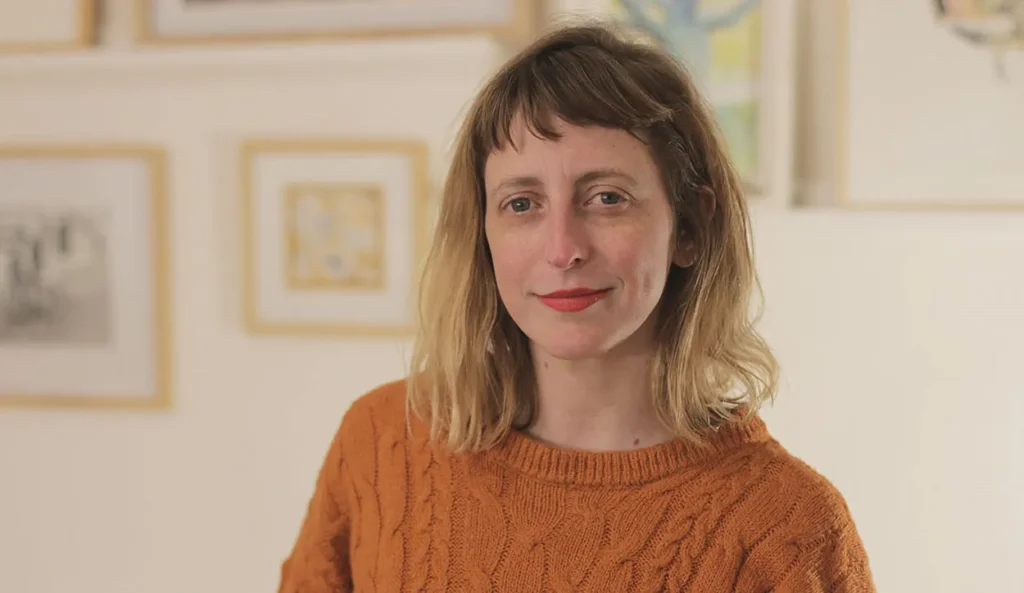
Paula Grinszpan combina actuación, dirección y docencia en proyectos de cine, teatro y formación actoral.
Paula Grinszpan built a career that merges acting, directing, and teaching within the Argentine artistic landscape. Her work is defined by a sensitive perspective, a distinctive pedagogical approach, and a continuous search for expressive languages that connect body, voice, and dramaturgy. Her presence in film, theater, and independent projects positions her as an active figure in contemporary creation.
Training and early steps
Her professional development began in training spaces that prioritized physical expression, improvisation, and musicality as foundations for stage presence. From those early years she sought varied techniques that combined rhythm, text, and movement, allowing her to form a flexible artistic identity open to crossing disciplines. Her decision to study film added a technical layer that expanded her creative field.
Building an acting career
Acting remained at the center of her work for more than a decade, with roles in film, television, independent theater, and web projects. Her style stands out for an expressive register that emphasizes contained emotion and precise physical work. That combination enabled her to adapt smoothly to very different narratives, from internationally screened films to low-budget experimental projects.
Theater: a territory of continuous exploration
In theater she developed some of her most personal investigations. She performed as an actress, wrote texts, co-directed collective works, and collaborated with musicians and performers. Her focus lay in creating scenes where body and rhythm shaped the dramaturgy, producing pieces that blend humor, strangeness, and sensitivity. This approach positioned her within the independent scene as a curious creator associated with experimental groups.
Audiovisual work and film presence
Her participation in feature films strengthened her professional reach. Among them, her role in Breve historia del planeta verde stands out, a film recognized in international festivals. There she portrayed a character requiring firm yet contained emotion, achieving an interpretation that connected with the narrative’s affective dimension. Such projects reinforced her link to auteur cinema and to directors seeking physical, precise performances.
Directing and writing: “No sé María”
Her transition into directing came with No sé María, a short film she wrote and directed. The piece explored intimate relationships and sensitive atmospheres through a restrained aesthetic built on austere visual decisions and a narrative that prioritized gestures over dialogue. The work received awards and mentions that encouraged her continued path behind the camera, confirming her ability to articulate vision, technique, and a distinct narrative tone.
Teaching and building a method
Since 2006 she has taught acting classes based on physical improvisation, bodily listening, suspension of internal judgment, and development of creative impulse. Her workshop became a space where performers find a training method centered on the body rather than on formal correction. The classroom operates as a laboratory where materials are explored before transforming into full scenes or personal projects.
Interpretive style and creative approach
Grinszpan promotes an approach that values error as a driver of discovery and play as a condition for freeing the actor’s work. Her practice blends technique and sensitivity to shape characters built from observation of detail and interaction with the environment. This perspective informs her camera work, her teaching, and her contributions to group projects.
Controversies and public stances
Her public presence has been linked to advocacy for reproductive rights and debates about women’s roles in cultural spaces. Her positions have been expressed through ethical argumentation and defense of personal freedom. These stances generated discussion in the artistic sector but never escalated into conflicts affecting her career or relating to personal misconduct.
Contributions to the artistic field
Her trajectory combines acting, directing, teaching, and production in ways that enrich the independent scene. She developed a working method that integrates bodily technique, cinematic vision, and emotional exploration. This multiplicity of roles makes her a creator who introduces new methodologies, supports collective initiatives, and contributes to the formation of new generations of artists.