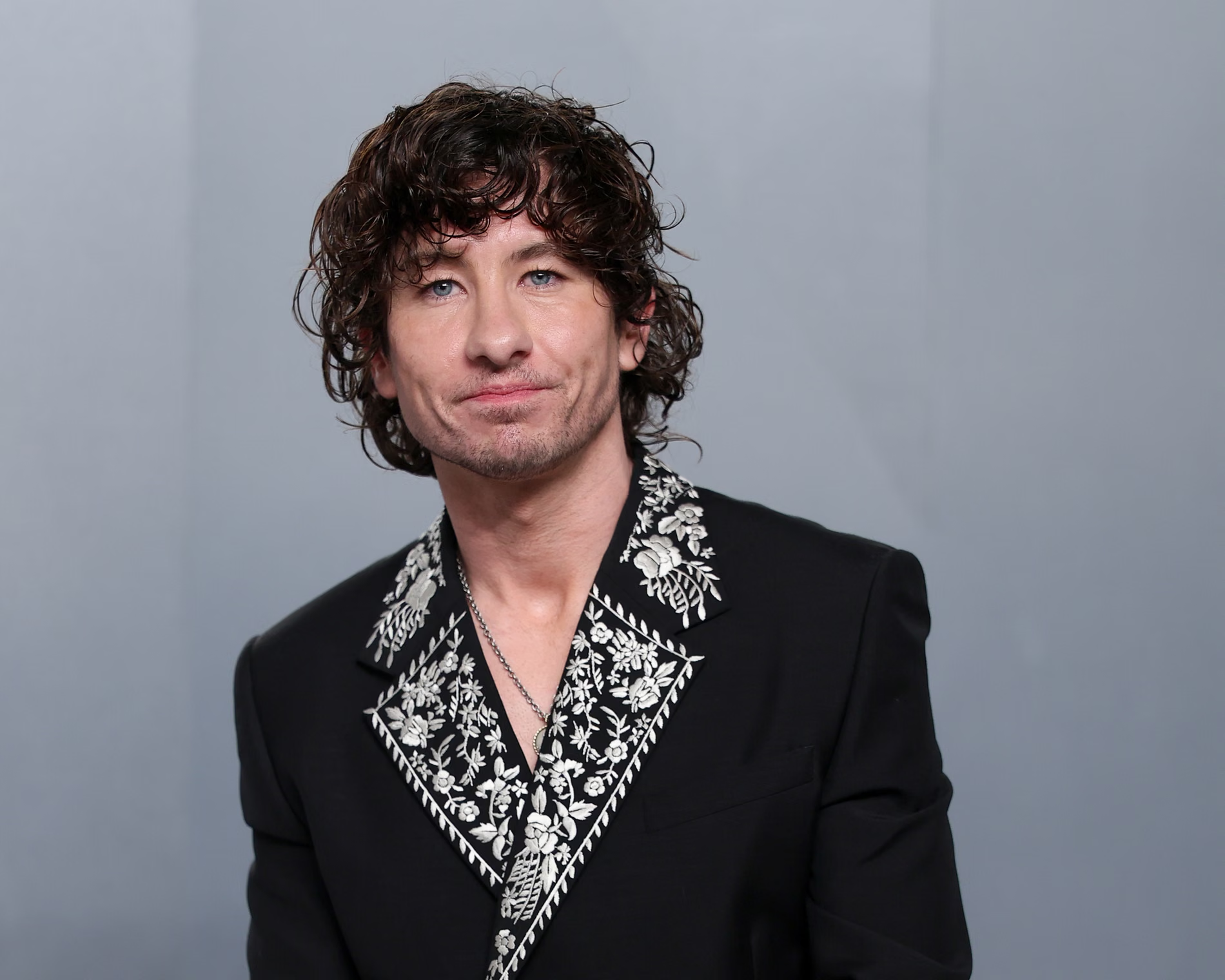
Shia LaBeouf: talent, rupture and reconstruction in Hollywood
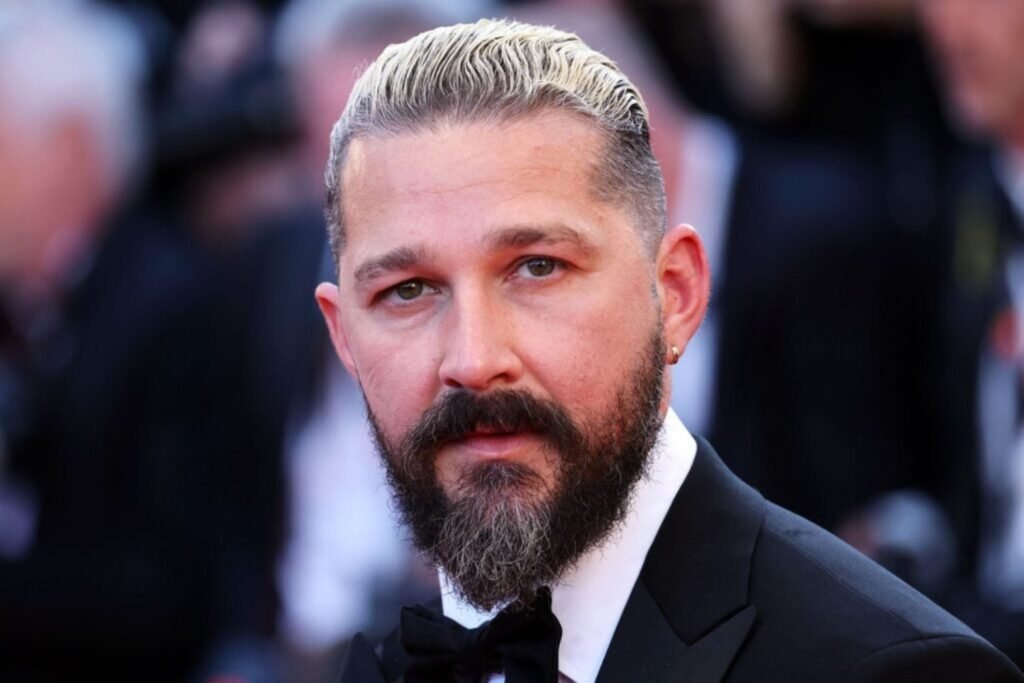
El actor estadounidense atravesó el cine comercial, la experimentación artística y un proceso de reposicionamiento profesional dentro de la industria cinematográfica.
Shia LaBeouf built a career defined by contrasts: youth celebrity, central figure in global franchises and independent film actor with a strong personal imprint. His trajectory combines commercial success, artistic exploration and controversial episodes that directly shaped his public image. Over the years, he turned critical moments into professional turning points, redefining his position within the film industry.
Early years and breakthrough
Born in Los Angeles in 1986, LaBeouf began acting in television comedy before gaining recognition with Even Stevens, a Disney Channel series that earned him a Daytime Emmy Award in 2003. That early distinction positioned him as one of the most visible young talents of his generation. The dynamic of intensive shoots and early media exposure shaped his technical discipline, but also introduced him prematurely to the industrial machinery of mass entertainment.
Consolidation in commercial cinema
The true expansion point arrived in 2007 with Disturbia and, especially, Transformers, a production that made him the lead of one of the highest-grossing franchises of the period. Participating in a large-scale universe required adaptation to complex shoots, digital effects and global commercial pressure. During that stage, his image became associated with the charismatic young hero, securing a sustained presence in high-budget cinema.
Search for interpretive depth
After establishing himself in the commercial circuit, LaBeouf shifted toward more introspective projects. In films such as Fury and later The Peanut Butter Falcon, a commitment to more intense emotional registers becomes evident. This transition responded to the need to broaden his acting range and avoid typecasting. The choice of roles with greater psychological density reshaped critical perception of his talent.
Honey Boy and the autobiographical dimension
In 2019 he wrote the screenplay for Honey Boy, a film inspired by his own childhood and relationship with his father. He portrayed a fictionalized version of that figure in an unusual exercise of personal exposure. The project functioned as a device for internal reassessment and artistic repositioning. More than a simple creative shift, it represented a reputational reconstruction strategy grounded in vulnerability and narrative authenticity.
Performance and public experimentation
Beyond his film work, he explored artistic interventions and public performances that generated intense debate. These actions, though controversial, revealed an intention to question the traditional logic of celebrity. Rather than limiting himself to conventional promotion, he used media space as a creative extension. This approach placed him in a hybrid territory between industrial actor and conceptual figure.
Controversies and learning
Throughout his career he faced legal episodes and accusations that affected his public credibility. Some projects were canceled and his reputation experienced significant erosion. At the same time, those events marked processes of personal and professional reassessment. The industry’s institutional response became more cautious, requiring him to validate each new project through sustained discipline and consistency.
Recent repositioning
In recent years, his presence in independent productions and participation in smaller-scale projects reflect a more selective approach. Priority appears oriented toward complex characters rather than mass visibility. This shift suggests a more sober stage of consolidation, where professional continuity depends less on media spectacle and more on interpretive solidity.
Current profile and projection
Shia LaBeouf represents a singular case within Hollywood: proven talent, early exposure and a trajectory shaped by public tensions. His path illustrates how the industry combines selective memory with constant opportunity. Longevity depends not only on past success but on adaptive capacity. In his case, each professional restart functions as a strategic reconfiguration of artistic identity and personal brand.