Timothée Chalamet a new generation of international cinema
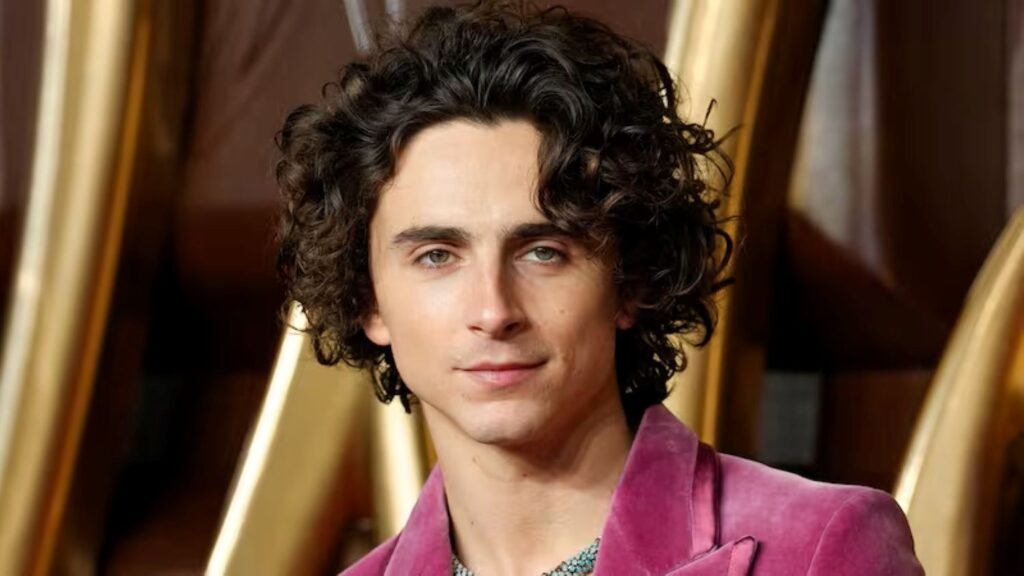
Timothée Chalamet’s trajectory has become one of the most observed phenomena in contemporary cinema. His emergence within the film industry combined rigorous artistic training, presence in independent productions, and participation in large-scale projects. This combination enabled his career to grow both within the festival circuit and the global entertainment market, consolidating an interpretive figure associated with the generational sensitivity of 21st-century cinema.
Cultural origins and artistic background
Timothée Hal Chalamet was born in Manhattan, New York, in 1995, within a cultural environment linked to art, theater, and media. His mother was involved in theatrical productions and educational programs at Lincoln Center, while his father developed a career in international journalism. This family context facilitated early exposure to artistic expression and the cultural world, shaping his interpretive vocation from adolescence.
Performing arts education and acting training
His artistic formation was consolidated at Fiorello H. LaGuardia High School of Music & Art and Performing Arts, a public institution recognized for its specialized focus on performing disciplines. There he studied theatrical interpretation, character analysis, and on-camera acting techniques. This type of training combines elements of classical theater with contemporary methodologies that emphasize emotional observation, sensory memory, and psychological character construction.
Early work in television and film
Before establishing himself on the big screen, Chalamet participated in television productions that functioned as an initial stage of his professional career. One of his most recognized roles in that phase was in the series Homeland, where he portrayed the son of the U.S. Vice President. Television often serves as a learning environment for emerging actors, allowing the development of technical discipline, audiovisual language comprehension, and experience working with multiple directors.
International breakthrough with Call Me by Your Name
International recognition arrived with Call Me by Your Name (2017), directed by Luca Guadagnino. In this film, he portrayed Elio Perlman, a young man undergoing a process of personal discovery during a summer in Italy. His performance was highlighted for its ability to convey complex emotions through minimal gestures and narrative silences. This role earned him an Academy Award nomination for Best Actor.
Expansion within contemporary cinema
Following this recognition, his career expanded through collaborations with diverse directors and narratives. Films such as Lady Bird, directed by Greta Gerwig, and Beautiful Boy, centered on a story of family addiction, demonstrated interpretive versatility focused on introspective characters. This type of filmography aligns with contemporary cinema that prioritizes psychological depth over visual spectacle.
Entry into large-scale productions with Dune
Chalamet’s involvement in Dune (2021), directed by Denis Villeneuve, marked a new stage in his career. The film adapts Frank Herbert’s science fiction novel and is characterized by a complex narrative structure that integrates politics, religion, and ecology. In this production, he portrayed Paul Atreides, the central character. Science fiction acting requires balancing emotional intensity with performances set in digitally constructed environments.
Cultural image and industry debates
Chalamet’s public presence has also generated discussion within contemporary culture. His personal style and aesthetic choices at international events have been interpreted as part of a generational shift in male representation in Hollywood. Cultural analysts suggest that his image reflects a less rigid form of masculinity, aligned with broader social transformations influencing both the film industry and fashion.
New projects and artistic expansion
In recent years, the actor has expanded his range through projects exploring different cinematic genres. One of the most visible examples is Wonka (2023), a reinterpretation of the literary character created by Roald Dahl. Such productions require a combination of acting, musicality, and stage presence. The diversity of roles in his career suggests a professional strategy oriented toward exploring multiple narrative languages within contemporary cinema.