Werner Herzog is the visionary who transcended cinema
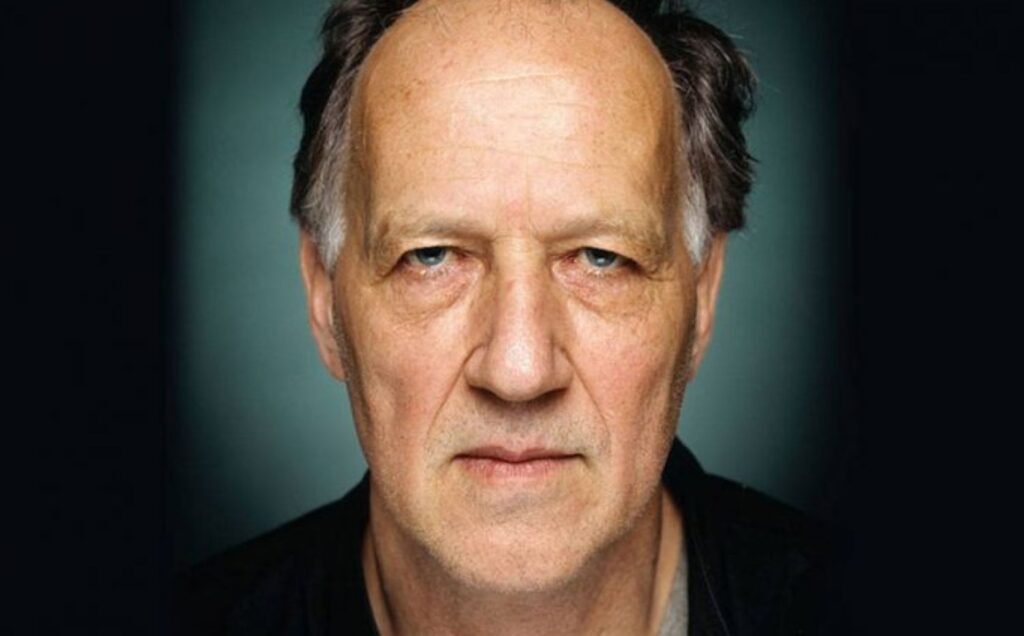
From his beginnings in the New German Cinema movement, Herzog has shown a constant fascination with the sublime and the unknown, becoming a key figure in both fiction and documentary filmmaking. His career spans over six decades and includes iconic works like Aguirre, the Wrath of God and Grizzly Man, which have left a lasting mark on film history.
Childhood and early years
Werner Herzog Stipetić was born on September 5, 1942, in Munich, Germany, during World War II. Of Croatian and German descent, he grew up in the remote Bavarian village of Sachrang, far from the war’s devastation. During childhood, Herzog had no access to cinema or television; his first encounter with filmmaking came at age 17, when he developed a fascination with visual storytelling.
Herzog worked various jobs to afford his first camera. His film debut came in 1961 with the short Herakles. From then on, perseverance and a singular vision shaped his career, steering away from conventions and toward a cinema that challenged narrative and cinematic language.
Major works and recurring themes
Herzog became a key figure in the New German Cinema alongside directors like Rainer Werner Fassbinder and Wim Wenders. His films explore themes such as man’s struggle against nature, irrational impulses, and cultural alienation.
Fiction: a unique vision of the human being
Among his most iconic films is Aguirre, the Wrath of God (1972), an odyssey about human obsession with power and conquest, starring Klaus Kinski. This was followed by Fitzcarraldo (1982), the story of a man determined to haul a steamship over a mountain in the Amazon. Both films are known for their extreme shooting conditions, often as intense as the narratives themselves.
Documentaries: a window into the unknown
Herzog has also mastered the documentary form, exploring the most intriguing—and often terrifying—aspects of nature and humanity. Grizzly Man (2005) examines the life and tragic death of Timothy Treadwell, a grizzly bear enthusiast. In Encounters at the End of the World (2007), Herzog travels to Antarctica to capture both its harsh environment and the stories of those who live and work there.
In all his documentaries, Herzog combines contemplative storytelling with insatiable curiosity, creating deep reflections on human fragility and endurance.
Working methods and controversies
Herzog is known for his bold and sometimes controversial approach. During the filming of Fitzcarraldo, he insisted on physically hauling a real ship over a mountain, rejecting special effects. The project was criticized for endangering the crew and local indigenous communities. Herzog defended his decision as part of his commitment to artistic authenticity.
His collaborations with Klaus Kinski were equally tumultuous. Though their films are considered masterpieces, their relationship was notoriously volatile. Herzog documented this dynamic in My Best Fiend (1999), reflecting on the tension that fueled their creative output.
Recognition and legacy
Throughout his career, Herzog has received numerous awards, including the Silver Bear at the Berlin Film Festival and a Lifetime Achievement Award at Sundance. His influence goes beyond cinema, inspiring artists and filmmakers from later generations.
In 2009, Herzog showcased his versatility by directing Bad Lieutenant: Port of Call New Orleans, starring Nicolas Cage. Though set in Hollywood, the film retained Herzog’s signature: obsessed characters and powerful visuals.
Philosophy and style
Herzog describes his style as “ecstatic truth,” a concept that favors emotional experience over factual accuracy. This sets him apart from other documentarians, using storytelling as a means to capture the deeper essence of his subjects.
To Herzog, cinema is a tool to explore the unknown. His works challenge viewers to question their perspectives and venture beyond the conventional.
Recent projects and current relevance
In recent decades, Herzog has remained active in both film and literature. He published his autobiography Every Man for Himself and God Against All in 2023, reflecting on his personal and professional life. He has also entered the world of education with his “Rogue Film School,” where he encourages aspiring filmmakers to embrace an independent, unconventional path.