Giorgia Meloni leads and transforms Italian politics
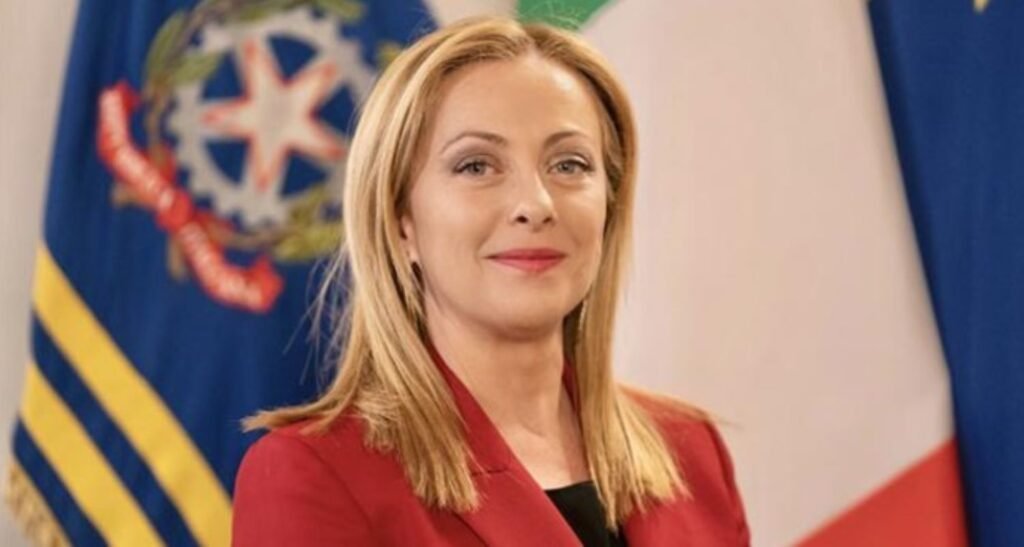
Giorgia Meloni emerged as a key figure in Italian politics during the first decade of the 21st century. Her rise marked a turning point in Italy’s political dynamics and positioned her as one of the most prominent conservative leaders in Europe. With a political career that began in her youth, Meloni has combined charisma, determination, and a direct approach to connect with grassroots supporters and consolidate her influence internationally.
Early years and education
Born in Rome on January 15, 1977, Giorgia Meloni grew up in the working-class neighborhood of Garbatella, an experience that shaped her political outlook. From an early age, she showed interest in political science and history, which led her to become involved in student movements during her teenage years. In 1992, she joined the Youth Front, the youth wing of the Italian Social Movement (MSI), a party representing the ideological continuation of the post-fascist right.
Beginning of her political career
The 2000s were a crucial period for Meloni. In 2006, she was elected as a deputy in the Chamber of Representatives, representing the National Alliance, a moderate right-wing party. Two years later, she was appointed Minister of Youth in Silvio Berlusconi’s government, becoming the youngest minister in Italy’s history. During her tenure, Meloni emphasized the importance of creating opportunities for young people in a country affected by the global economic crisis.
Foundation of Brothers of Italy
In 2012, amid a fragmentation of Italy’s conservative parties, Meloni co-founded Brothers of Italy (Fratelli d’Italia). Under her leadership, the party became a significant political force, attracting both traditional conservatives and voters disenchanted with mainstream politics. Her rhetoric, focused on national sovereignty, family values, and strong criticism of European Union bureaucracy, deeply resonated with broad segments of the population.
Leadership and trajectory as prime minister
In the 2022 general elections, Meloni led her party to a historic victory, becoming the first woman to hold the office of Prime Minister of Italy. Her government has been characterized by a focus on economic stability, immigration control, and the redefinition of Italy’s relationship with the European Union.
On the international stage, Meloni has sought to balance her nationalist stance with the need to maintain strategic alliances, particularly within NATO and with the United States.
Achievements and recognition
Meloni’s leadership has transformed the Italian political landscape. Some of her notable achievements include:
- Revitalizing conservatism in Italy by integrating different political factions under a common vision.
- Implementing policies aimed at stimulating economic growth, especially in southern Italy.
- Playing a key role in debates on sovereignty and reforms within the European Union.
Controversies and public management
Meloni’s career has not been free of controversy. Her statements on immigration, gender, and the European Union have drawn criticism both inside and outside Italy. However, her ability to confront such criticism—using a discourse centered on sovereignty and national well-being—has been essential in maintaining her support base. Rather than avoiding debate, Meloni has used her platform to reaffirm her vision and present concrete proposals that, although divisive, reinforce her image as a resolute leader.
A vision for the future
Giorgia Meloni has established herself as one of the most influential figures in European politics. Her leadership—rooted in the defense of national identity and traditional values—has resonated with a broad base of support in Italy. As her term progresses, her ability to balance domestic demands with global challenges will be a decisive factor in how her legacy is evaluated.