Morgan Fairchild y la construcción de una figura televisiva duradera
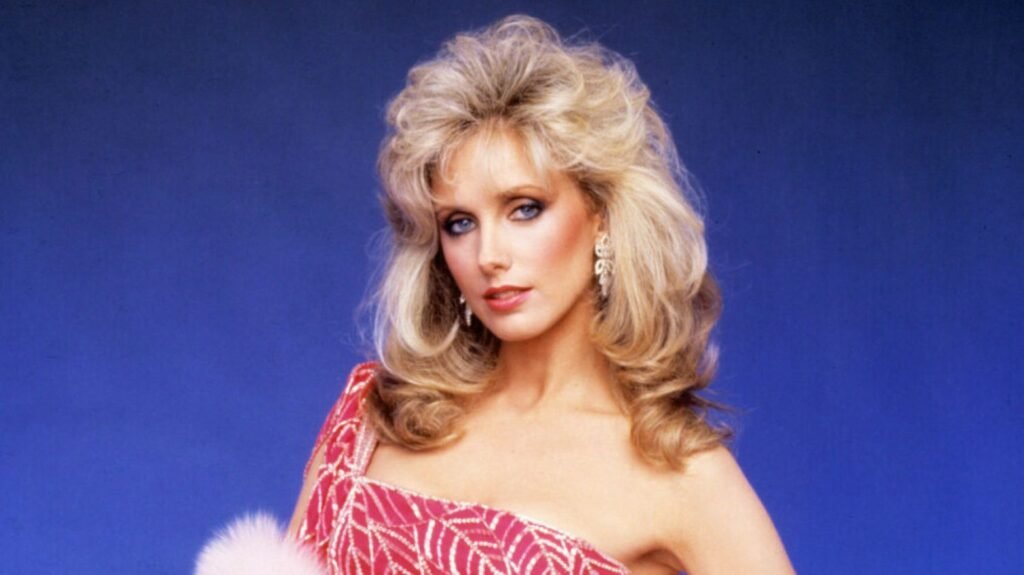
La actriz Morgan Fairchild, reconocida por sus roles en series como Flamingo Road y Friends.
Morgan Fairchild desarrolló una carrera extensa dentro de la televisión estadounidense, con una identidad asociada a personajes de alto perfil social y fuerte presencia escénica. Su trayectoria permite observar cómo una actriz puede sostener vigencia mediante adaptación de formatos, diversificación de registros y participación en agendas públicas. La combinación entre exposición mediática, disciplina profesional y lectura estratégica del mercado explica su permanencia durante más de cinco décadas.
Origen y primeros pasos en la industria
El inicio profesional de Morgan Fairchild se vinculó a producciones locales y trabajos técnicos dentro del cine, incluyendo su participación como doble en Bonnie and Clyde. Este tipo de experiencia temprana permite comprender la lógica de producción audiovisual desde adentro, antes de asumir roles protagónicos. La adopción de un nombre artístico respondió a criterios de posicionamiento, facilitando la recordación y diferenciación dentro de un mercado altamente competitivo.
Consolidación en formatos televisivos diarios
Su incorporación a Search for Tomorrow marcó un proceso de formación intensiva. Las operaciones diarias exigen velocidad en la interpretación, continuidad emocional y alta exposición, generando un entorno de entrenamiento constante. Durante este período, Fairchild desarrolló disciplina técnica y capacidad de adaptación, dos variables centrales para sostener carreras en televisión. Este tipo de formatos funciona como plataforma de construcción inicial de visibilidad.
Transición al prime time y reconocimiento industrial
El pasaje al prime time implicó un cambio en escala de producción y audiencia. Su participación en Dallas y posteriormente en Flamingo Road consolidó su perfil como figura de alto impacto visual y narrativo. La nominación al Golden Globe reflejó reconocimiento dentro de la industria, validando su desempeño en un contexto competitivo. Este período definió su asociación con personajes vinculados al poder económico y social.
Diversificación de registros interpretativos
Durante las décadas siguientes, Fairchild expandió su participación hacia distintos géneros. Intervino en series dramáticas como Falcon Crest y en propuestas con componente satírico como Murphy Brown. Esta diversificación responde a una lógica de sostenibilidad profesional: evitar el encasillamiento mediante la incorporación de registros alternativos. La comedia funcionó como herramienta para ampliar su rango expresivo y renovar su posicionamiento.
Integración a nuevas audiencias y cultura popular
Su aparición en Friends como Nora Bing permitió un puente generacional. La inclusión en una sitcom de alto alcance global implicó reinsertarse en circuitos de audiencia más jóvenes. Este tipo de participación no solo amplía visibilidad, sino que redefine la percepción pública del actor. La capacidad de integrarse en narrativas contemporáneas resulta determinante para sostener vigencia en industrias con alta rotación.
Gestión de imagen y episodios de controversia
La construcción de su imagen estuvo asociada a un ideal de sofisticación que generó tensiones en ciertos contextos culturales. Críticas vinculadas a su estilo y roles no afectaron su trayectoria, sino que incrementaron su exposición mediática. La gestión de estas situaciones sin confrontación directa permitió transformar cuestionamientos en posicionamiento. Este fenómeno ilustra cómo la visibilidad, incluso en escenarios críticos, puede operar como activo.
Participación institucional y activismo
Fairchild desarrolló un rol activo en campañas relacionadas con el VIH/SIDA y causas ambientales. Este tipo de intervención implica trasladar capital simbólico hacia agendas públicas específicas. Su participación en SAG-AFTRA evidencia inserción en estructuras institucionales del sector audiovisual. La intervención en organismos gremiales supone incidencia en regulaciones laborales, negociación colectiva y representación profesional.
Continuidad profesional y adaptación a nuevos formatos
A lo largo de más de cinco décadas, ha mantenido presencia en televisión mediante participaciones en series contemporáneas. Esta continuidad se explica por su capacidad de adaptación a distintos formatos y escalas de producción. La industria audiovisual exige flexibilidad frente a cambios tecnológicos y narrativos. Fairchild logró sostener relevancia mediante una combinación de consistencia estética y actualización funcional.
Lectura estructural de su trayectoria
El recorrido de Morgan Fairchild permite identificar patrones aplicables a carreras dentro del entretenimiento. La televisión opera como plataforma inicial de visibilidad, mientras que la especialización en arquetipos facilita reconocimiento inmediato. Posteriormente, la diversificación de registros evita la obsolescencia. La gestión de imagen, junto con la exposición mediática, constituye un elemento central en la construcción de permanencia profesional.