Alexandra Kohan and the Art of Questioning the Times

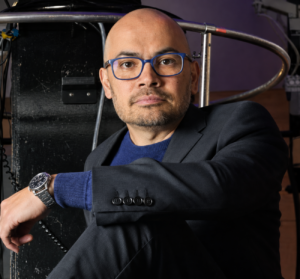
Alexandra Kohan, psicoanalista y autora de El libro del dinero.
A gift has a price. What it means to the person who gives it or receives it is harder to measure. That gap is one of the subjects Alexandra Kohan explores in El libro del dinero. Entre el don y la materialidad, published by Paidós and presented in November at Plataforma Lavardén’s Gran Salón in Rosario. After writing about love, the body, and humor, the psychoanalyst turns to what happens between people when they send a payment, lend money, or start keeping score.
From the consulting room to the bookstore
Born in Mar del Plata in 1971, Kohan works as a practicing psychoanalyst. Many readers first encountered her through Y sin embargo, el amor (2020), an essay that challenges prescriptions for self-love and considers how much uncertainty comes with falling in love. She went on to publish Un cuerpo al fin (2022) and El sentido del humor (2024). She also writes columns for Cenital about subjects that come up in everyday conversation.
In her essays, a familiar phrase can be the beginning of an argument. When someone says “love yourself,” for example, Kohan considers what that advice assumes about desire and what it leaves out. Her new book takes a similar approach to the language people use when they talk about saving, investing, or splitting expenses.
Questioning the assumptions of the moment
Kohan has publicly challenged some feminist slogans that she believes oversimplify desire. She has also questioned the idea that cultivating self-love can, on its own, resolve the problems in a relationship. With money, she is interested in a different distinction. Struggling to pay the rent is one thing. Working out what is at stake when two people decide how much each should contribute is another.
That distinction becomes visible when a couple keeps track of who paid for each night out or when a loan between friends changes the relationship. There are amounts to account for, along with expectations about what the other person should give or pay back.
Money in relationships
Kohan describes El libro del dinero as an essay on libidinal economy. In the book, the idea plays out in familiar situations. Who pays in a relationship. How two people split the rent when they earn different amounts. What siblings argue about when it is time to divide an inheritance. Money helps settle some of those matters and can also bring older disagreements to the surface.
A gift helps her explore the difference between price and value. You can find out the price. To understand its value, it matters who chose it, when they gave it, and what relationship they have with the person receiving it. Kohan asks what happens when even those gestures start to go down as debts someone will eventually have to repay.
Admiring millionaires and paying children
Kohan also questions the admiration for millionaires who display their wealth and the notion that how much money people have comes down to how hard they worked. She is concerned with what that account of success implies about people who earn less.
Another point of debate is financial education in childhood. Kohan questions paying children to tidy their rooms or get good grades. She is interested in what children learn about money when payment becomes the reason to help at home or study. In that discussion, she returns to an idea from Natalia Ginzburg about teaching children to spend and to be generous. Here, too, the book considers what we teach children about relationships when we put a price on a gesture.