Daniel López Rosetti: Twelve Books on Stress and Health
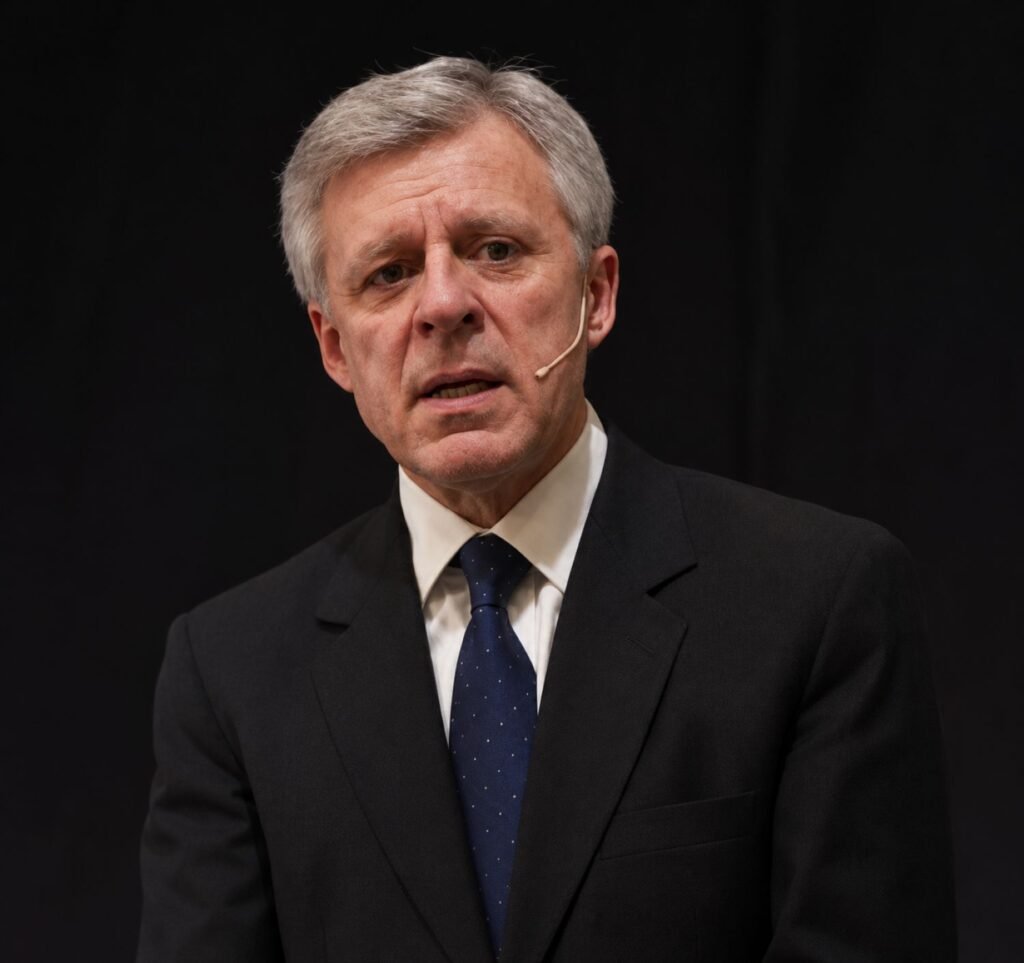
Daniel López Rosetti combina la atención médica y la docencia con la divulgación sobre estrés, emociones y hábitos saludables.
Daniel López Rosetti combines medical practice with a public education career spanning more than two decades. A specialist in internal medicine and a university-trained cardiologist, he explains the relationship between stress, emotions, habits and health through television, radio and books.
His work has a recognizable focus: helping people understand what happens when everyday demands exceed the resources they feel they have to cope with them. The phrase “stress is the epidemic of the twenty-first century,” which gave his first book its title, captures much of that effort.
The physician behind the communicator
López Rosetti heads the Stress Medicine Service at San Isidro’s Central Municipal Hospital. His work combines clinical consultations with professional education.
He coordinates the “Stress and Health” open chair at the University of Buenos Aires Faculty of Medicine. At Favaloro University, he is an associate professor in the Department of Medicine and directs the master’s program in Psychoneuroimmunoendocrinology. He is also a professor of Psychophysiology at Maimónides University.
In addition, he directs the University Course in Stress Medicine and Psychoneuroimmunoendocrinology, a program involving the Argentine Medical Association, Maimónides University and SAMES. His publisher’s biography identifies him as president of the Argentine Society of Stress Medicine for the 2024–2026 term and of the Stress Section of the World Federation for Mental Health.
Twenty-six years of books
His bibliography began in 2000 with Estrés, epidemia del siglo XXI. He later published El cerebro de Leonardo (2006) and El estrés de Jesús (2009).
With Historia clínica (2011) and Historia clínica 2 (2014), he found another way to bring medicine to readers: reconstructing the illnesses and life circumstances of historical figures.
These were followed by Ellas. Cerebro, corazón y psicología de la mujer (2016), Emoción y sentimientos (2017), Equilibrio (2019), Estrés, sufrimiento y felicidad (2022), La Gioconda y Leonardo (2023) and Recetas para vivir mejor y más tiempo (2025).
In September 2026, he published Una buena vida. With that title, this overview encompasses twelve books over twenty-six years. The subjects change, but his interest in explaining bodily processes and connecting them with recognizable experiences remains.
From books to television
Public communication expanded López Rosetti’s audience beyond his consulting room. His television, radio and digital media contributions address questions about stress, rest, emotions and healthcare.
Historia clínica also became a television production shown on Telefe, América TV and Mendoza’s Canal 9. The series received a Martín Fierro Federal award.
His distinctions include the Argentores Award for best standalone television screenplay for Historia clínica in 2012, the Santa Clara de Asís Award in 2014 and the Martín Fierro Portales Web award in the Science, Health and Healthy Living category in 2026. In 2019, Buenos Aires named him a Distinguished Personality in Medical Sciences.
Emotions, relationships and everyday life
A recurring idea in his public work is that emotions influence how people think, make decisions and relate to others. From that perspective, he discusses sustained stress, the distinction between pain and suffering, and the difficulties that arise when someone tries to control situations beyond their influence.
Relationships, beliefs and the search for meaning also feature in his discussions. He presents them as dimensions of personal experience that deserve attention alongside physical health.
Una buena vida organizes this approach around four areas: emotional life, relationships, existential questions and physical well-being. The book continues a theme running through his public education work: offering explanations and tools that help readers examine their habits and make decisions about everyday life.
His career brings together hospitals, classrooms and the media. The audience and depth of explanation vary in each setting, but the task remains the same: making medical subjects understandable when many people first encounter them through their own experience.