Virginia Aparicio: science, pesticides and a case shaking INTA
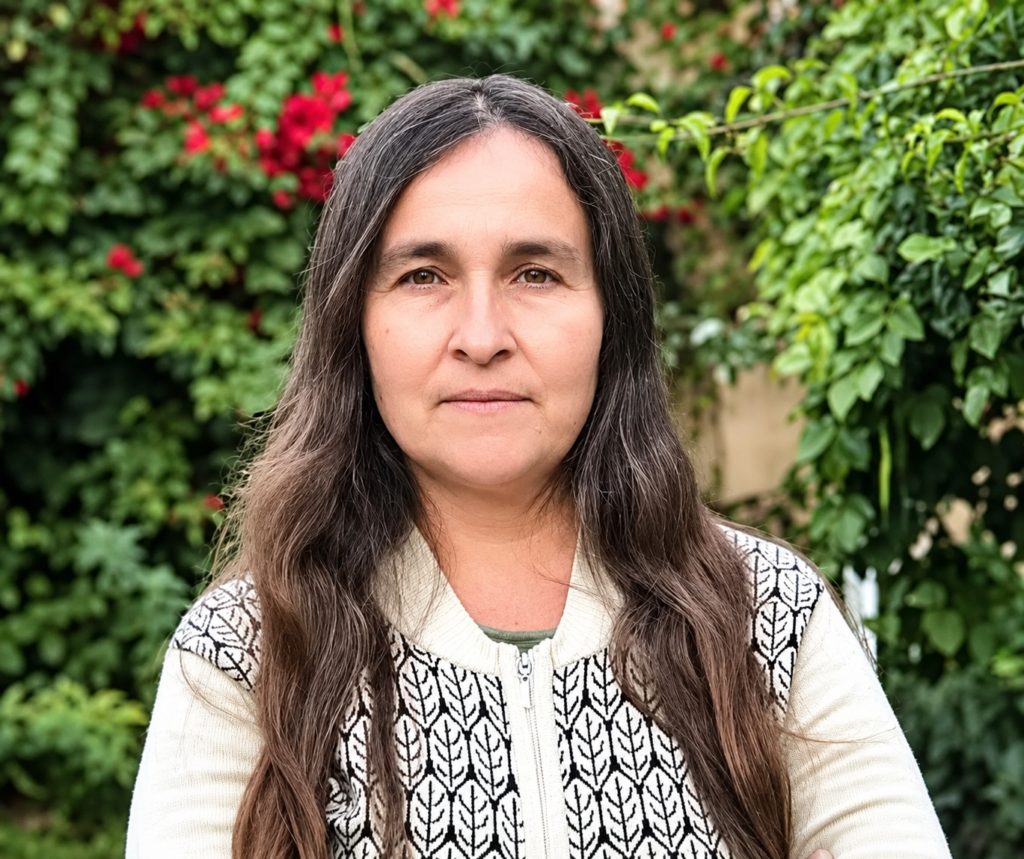
Virginia Aparicio investigó la presencia de residuos de plaguicidas en el ambiente como parte del proyecto internacional SPRINT.
Virginia Aparicio’s name moved from scientific papers to newspaper headlines. An agricultural engineer, doctor of Agricultural Sciences and CONICET researcher with more than twenty years of work at the Balcarce Experimental Station, she became one of the most debated figures in Argentine science because of SPRINT, the international study that measured the presence of pesticides in the environment and in the bodies of volunteers. In October 2026, INTA’s Board of Directors decided to dismiss her following an administrative investigation, imposing the most severe sanction in Argentina’s national public service. The decision opened a debate that extends beyond her individual case: how far does the freedom to conduct research go when the results are uncomfortable?
Two decades measuring what nobody saw
Aparicio built her career at the Balcarce Integrated Unit, a center shared by INTA and the National University of Mar del Plata in southeastern Buenos Aires Province, where she worked for more than twenty years. Her field is as specific as it is sensitive: the behavior of pesticide residues in soil and water, an area where analytical chemistry intersects with agricultural production and public health.
Her technical profile grew alongside the equipment she learned to operate. When INTA acquired a UPLC MS/MS spectrometer, the organization sent her to train at the company Waters in the United States so she could put it into operation. With that capability in place, her laboratory conducted benchmark measurements of glyphosate and other compounds; her team’s expert analyses of soil and water samples were even examined in a criminal trial. At the same time, she advanced through CONICET’s ranks to the category of independent researcher.
SPRINT: Argentina in a leading European consortium
The project that defined her career came through institutional channels. In 2018, Labintex-EU, INTA’s Montpellier-based structure for connecting Argentine and European scientists, put her in contact with Violette Geissen, a soil specialist at Wageningen University in the Netherlands. That connection led to Argentina’s participation in SPRINT—Sustainable Plant Protection Transition: A Global Health Approach—a consortium funded with 14 million euros by the European Union’s Horizon 2020 program, which INTA approved joining in 2020.
Argentina was the only non-European country in the study, selected because of its importance as an exporter of soybeans for animal feed, and Aparicio took on the coordination of the local site. The work measured pesticide residues in environmental, plant, animal and human samples, with the participation of 73 volunteers from southeastern Buenos Aires Province, as well as samples of food, soil and water. Rarely had an Argentine team taken part in research of that scope on an issue so sensitive to the country’s production model.
The conflict with INTA and the 2026 dismissal
Tensions emerged when the data began to become known. In 2023, the organization halted meetings planned to share the results with study participants and prohibited her from disseminating the measurements. In December of that year, it opened an administrative investigation and, in 2024, under the presidency of Mariano Garmendia, decided to withdraw Argentina from the project. The process culminated on October 26, 2026, when the Board of Directors formalized her dismissal through Resolution 366, a measure that permanently removes her from the organization and disqualifies her from Argentina’s national public administration.
Both sides of the dispute have presented their accounts. INTA based the sanction on alleged failures in the performance of her duties and the management of public resources, including assigning someone a role in data coordination and supervision without the organization’s formal authorization or the involvement of the consortium’s governing bodies. Aparicio, for her part, questioned the validity of the procedure and whether her right to a defense had been respected. Her lawyer, Mario Bolla, maintained that the researcher informed her direct supervisor of every step of the project and that the funds entered INTA’s accounts, followed administrative procedures and received favorable audits in both Argentina and Europe.
A mobilized scientific community and an ongoing dispute
The case reached beyond the corridors of Balcarce. The APINTA union rejected the dismissal and called for freedom to conduct research, the University of Buenos Aires Faculty of Agronomy requested guarantees of due process and proportionality in sanctions, and ATE CONICET, universities and socio-environmental organizations gathered thousands of signatures under the banner of defending public science. They were joined by Balcarce residents who had volunteered for the study. Aparicio herself summed up her mood in a phrase that circulated through the media: she is ready to fight.
Her story remains open for now. Aparicio said she would challenge the sanction in court, meaning that the courts will have the final word on the administrative investigation. What is no longer disputed is the place she has occupied: a specialist trained over decades in the public scientific system, who brought Argentina into a leading international consortium and introduced an uncomfortable and necessary question into the national conversation about what pesticides leave behind in the environment and in people. Whatever the judicial outcome, her case has already become a reference point in the debate over research autonomy in Argentina.