Darren Woods, the discreet engineer who ended up at the helm of ExxonMobil
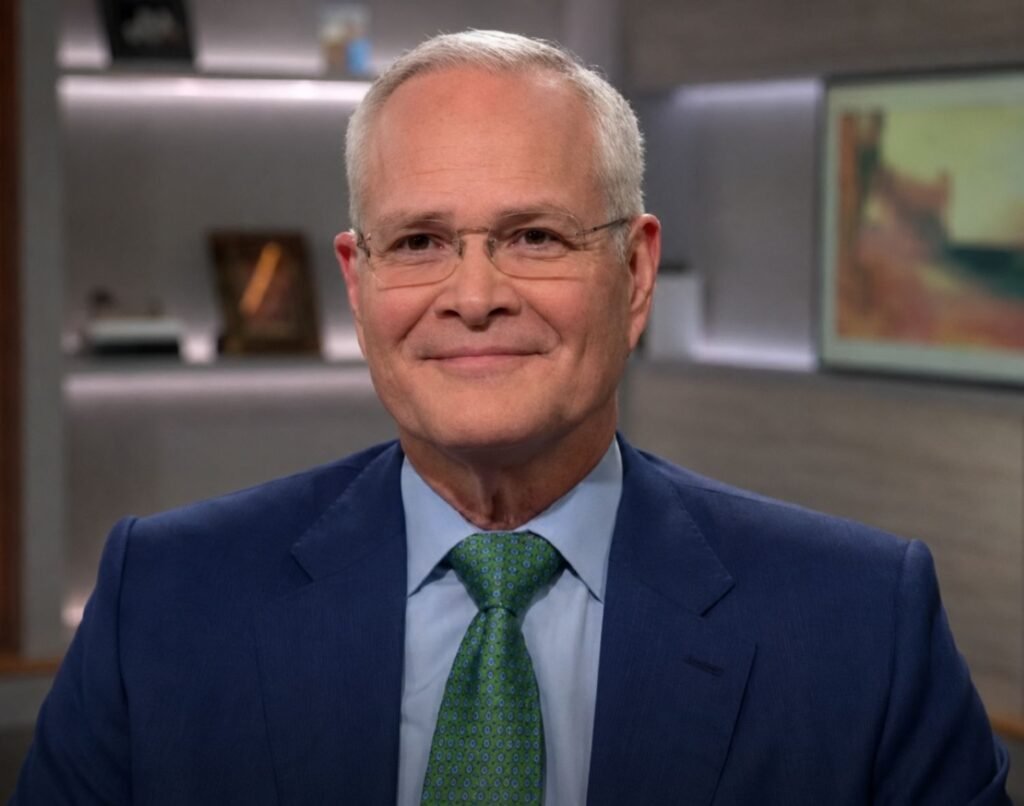
Darren Woods conduce ExxonMobil desde 2017, tras una carrera de más de dos décadas dentro de la compañía.
There are names that move markets without needing to raise their voice. Darren Woods is one of them. At the head of one of the largest energy corporations on the planet, this sober-profiled and reserved man directs decisions that affect prices, geopolitics and the lives of millions of people who have probably never heard his name. Understanding his path helps explain not only an executive, but an entire way of thinking about the energy business.
A childhood in motion
Darren Wayne Woods was born on December 16, 1965, in Wichita, Kansas. His father’s work as a supplier to the military sector shaped his childhood: the family moved again and again, living near U.S. bases scattered across different parts of the world. That nomadic upbringing, without fixed roots, is often associated with his methodical, adaptable character and his lack of interest in the spotlight. He learned early that the world is large and that the rules change depending on where one stands, a lesson that would later prove useful at the head of a global company.
From engineering classrooms to his first desk
His education points straight to the technical heart of the business. He graduated as an electrical engineer from Texas A&M University and later added an MBA from the prestigious Kellogg School of Management at Northwestern University. With that dual background —the rigor of the engineer and the perspective of the manager— he joined Exxon in 1992 as a planning analyst in Florham Park, New Jersey. He did not arrive as a star hired from outside: he started from below and built his career brick by brick.
A career forged in refineries and chemicals
For more than two decades, Woods rotated through national and international assignments within the Exxon universe. He passed through the chemical division, refining and supply, and accumulated experience in complex, high-risk operations. In 2005, he was appointed vice president of the chemical company in Houston, in charge of specialty businesses. In 2008, he moved to Brussels as refining director for Europe, Africa and the Middle East. Each step brought him closer to the core where much of the group’s profits were generated.
The leap to the top
Unlike his predecessor, Rex Tillerson, more closely identified with exploration and major deals, Woods was formed on the less glamorous but enormously profitable side of the business: refineries and petrochemicals. When Tillerson left the leadership to become secretary of State, the company sought continuity and operational solidity, and found both in him. The board appointed him chairman and chief executive officer, effective January 1, 2017.
More than a position: a voice of the sector
Since then, Woods has held the corporation’s two highest roles and has become one of the most influential —and also most questioned— figures in the global energy industry. He participates in influential spaces outside the company, including oil industry bodies and strategic policy forums, and his positions on the energy transition generate debate whenever he expresses them. His compensation level, estimated in the tens of millions of dollars per year, also places him at the center of the discussion over the salaries of major executives.
A protagonist of the present
Far from being a figure of the past, Woods remains at the center of the sector’s major movements: historic litigation that the company keeps alive for years, high-level meetings on the region’s energy future and technological bets that seek to reposition the company. Understanding who he is helps read where an industry is moving that, whether we like it or not, continues to organize a large part of the global economy.