Fifty dollars a week and a role for the ages: Ellen Greene and Little Shop of Horrors
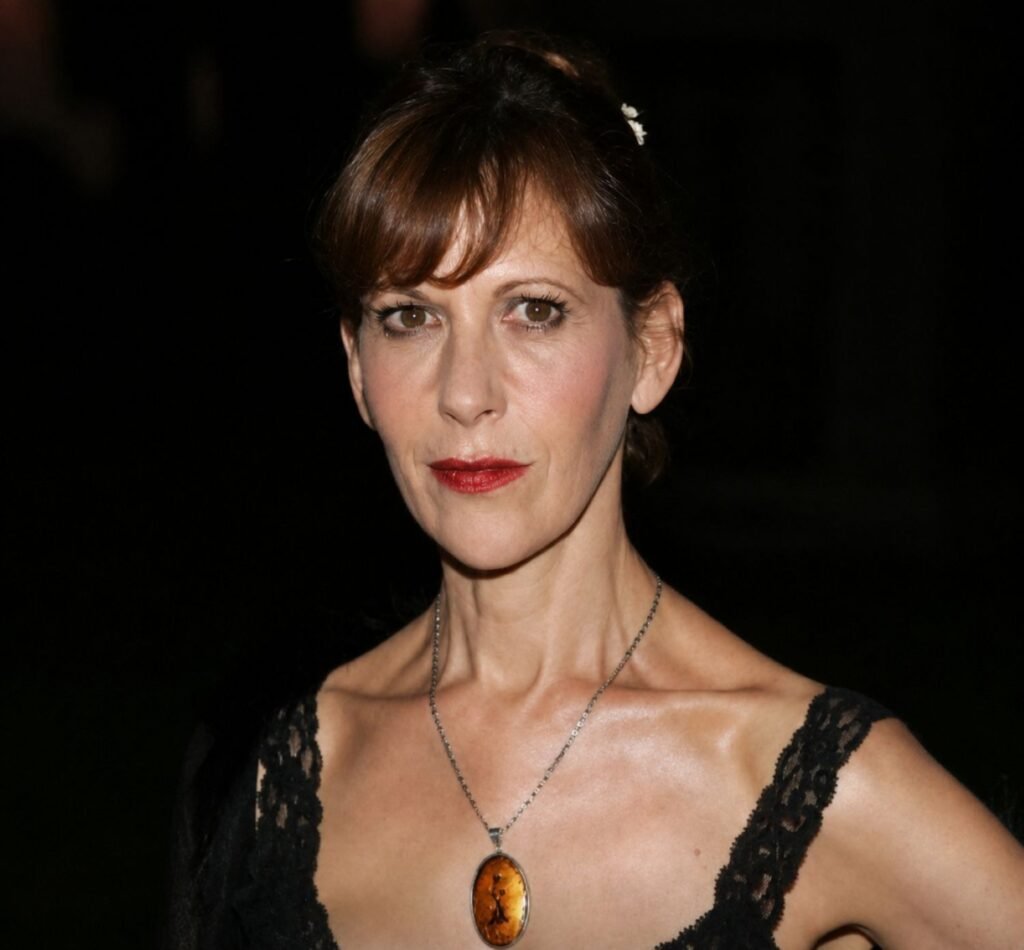
Ellen Greene creó a Audrey en la producción teatral original de Little Shop of Horrors y volvió a interpretarla en la película de 1986. En 2026 celebra los 40 años del film con una gira por Estados Unidos.
She first heard the song that would make her famous while standing in the unemployment line. She earned fifty dollars a week during rehearsals. She almost lost the film role because she was not famous enough. Four decades later, at 75, she is traveling across the United States singing that same song to packed theaters.
From nightclubs to the Public Theater
Ellen Greene was born in Brooklyn in 1951, the daughter of a school guidance counselor and a dentist, and grew up on Long Island. She spent her summers at camps where she performed in musicals; by 15, she was already playing Tzeitel in a production of Fiddler on the Roof. She attended Rider University in New Jersey, but her real education happened at night: she became a singer in New York clubs such as Reno Sweeney and Grand Finale, earning praise from critics and building a repertoire that ranged from Kurt Weill to Peter Allen, who became a friend.
That cabaret work opened a much bigger door. In her early twenties, Joseph Papp —founder of the Public Theater— took her under his wing and cast her in In the Boom Boom Room. Greene later described the Public as an artists’ workshop so full of talented people that talent itself was no longer enough to distinguish anyone. Her reviews in the production caught the attention of Paul Mazursky, who gave her her first leading film role in Next Stop, Greenwich Village.
Then came Jenny in The Threepenny Opera at Lincoln Center’s Vivian Beaumont Theater, a role originally associated with Lotte Lenya that earned Greene a 1977 Tony nomination for Best Featured Actress in a Musical.
The song she heard in the unemployment line
At the WPA Theatre she met Howard Ashman and Alan Menken. Out of that relationship came Audrey, the Skid Row flower-shop employee who dreams of a better life.
The origin of the role contains a detail that seems to sum up Greene’s entire career. She first heard “Somewhere That’s Green” while waiting in line to collect unemployment benefits and quietly began singing along. She says she knew at that moment that there was an Audrey inside her waiting to be born. She carried that certainty into the audition, where Menken sat at the piano and Ashman —already a close friend— watched. By the time she finished, everyone was crying.
The voice came by itself. That breathy, high-pitched, slightly lisping, unmistakably New York register that turned the character into an instant icon had not been planned. It simply appeared during the audition and stayed. Greene herself admits that she still does not know where half of those choices came from.
Success did not immediately translate into money. During a month of rehearsals and the first two months of performances, she was paid fifty dollars a week. But the show caught on. One night Steve Martin came to see it with Mary Tyler Moore. Martin would later play the sadistic dentist in the film adaptation.
Three setbacks that ended well
Across a career spanning more than half a century, the most controversial episodes surrounding Greene have not been scandals but industry decisions that initially worked against her and that time eventually corrected.
She almost did not make the movie. The film had a long and complicated road to production. John Landis was initially attached to direct, Martin Scorsese was briefly considered, and eventually Frank Oz took over. Greene’s participation was never guaranteed. Producer David Geffen wanted a bigger name for the screen and Cyndi Lauper was among the possibilities. Greene openly admits that she never expected to get the role. She did, and today it is difficult to imagine anyone else playing it.
The audience changed the ending. The original film followed the stage musical’s tragic conclusion, in which Audrey dies. Test audiences rejected it completely: they had become so attached to her that they could not tolerate watching her die. A happier ending was filmed instead. Ironically, Greene preferred the original and still says she loves the death scene. Her explanation for the audience’s reaction is the kind of observation only a veteran actor would make: Oz had made the screen version of Audrey more heroic, removing some of her comic lines and making moments that played as jokes onstage feel intimate and real on film. Today, Greene is at peace with the decision for a simple reason: both endings survive, with the original restored in the director’s cut.
Returning to Audrey at 64. In 2015, Greene reprised the role in a concert production opposite Jake Gyllenhaal as Seymour. She was 64; he was 34. The three performances sold out. The return attracted particular attention because it came amid a broader industry debate about the ages at which actresses were still considered viable romantic leads. Without making a speech about it, Greene simply walked back onstage as Audrey three decades later.
There was another frustration in her career: Pushing Daisies, the ABC series in which she played Vivian Charles, received widespread critical acclaim but ended after two seasons. Its audience continues to remember the show years later.
A career that does not fit into one role
Reducing Greene to Audrey would be unfair to everything else she has done. Her film career took her through very different worlds: she played the wife of Eric Bogosian’s character in Oliver Stone’s Talk Radio, appeared in Pump Up the Volume and Luc Besson’s Léon, and voiced Goldie in Rock-a-Doodle. Her television credits include Miami Vice, Law & Order, The X-Files, Cybill, Heroes, The Young and the Restless, and Pushing Daisies.
In 2004, she released her solo recording In His Eyes, with musical direction, arrangements, and piano by Christian Klikovits, who was then her husband.
Keeper of a flame
The most moving part of her story has little to do with awards and everything to do with loyalty.
Howard Ashman died in 1991 from complications related to AIDS. Greene believes that every time someone stages Little Shop, or a girl plays Audrey in her high-school musical, Howard remains alive. She sees herself, in part, as someone responsible for keeping that flame burning.
Their friendship contains stories from another era. Ashman took her to Paris for the first time and, as soon as they reached the hotel, prepared a bubble bath for her with Champagne, caviar, and Edith Piaf playing in the background because he knew she loved baths.
There was another gesture Greene did not discover until later. When the contracts for the stage production were being negotiated, all she cared about was making sure London was included. Without telling her, Ashman assigned her half a point of the profits on the grounds that she had created Audrey.
Still singing
In August 2026, at 75, Greene began a multi-city tour celebrating the film’s 40th anniversary, hosting screenings across the United States. The schedule runs through the fall, from West Coast dates to Atlanta in November, with a stop at Boston’s Emerson Colonial Theatre on August 28. Performances of “Somewhere That’s Green” are part of the celebration.
Her explanation for why the story refuses to age is disarmingly simple. She believes audiences love Audrey because she loved Audrey first, and that Little Shop of Horrors remains alive because it was made with love.
Then comes the part that explains the tour, the persistence, and why, at 75, she is still slipping into the voice of a young woman from Skid Row: as long as audiences keep Audrey alive, they keep Howard alive too.