Tom Hardy: Why He Is One of the Best British Actors
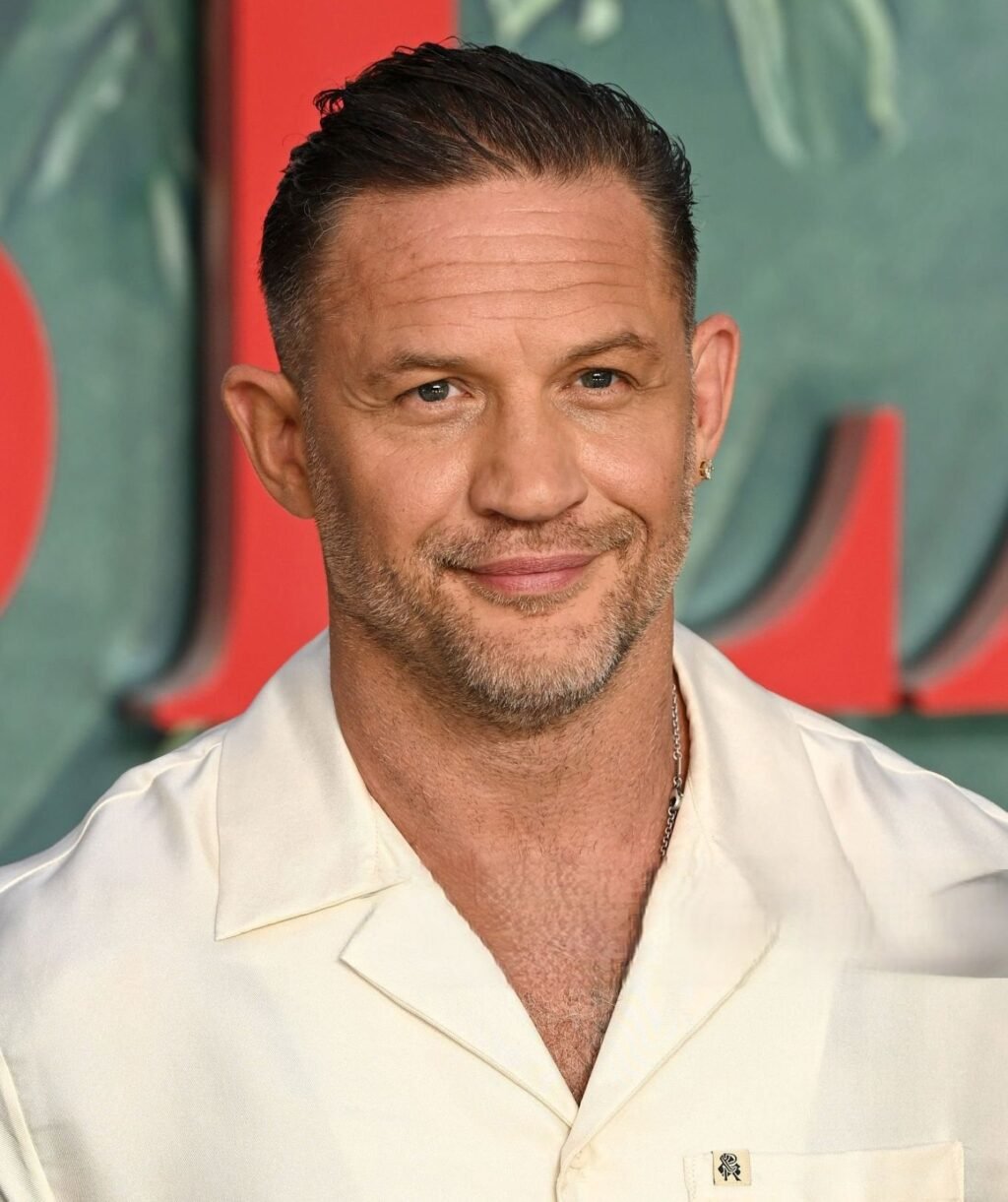
Tom Hardy combina grandes producciones con papeles que exigen transformaciones físicas y un intenso trabajo de interpretación.
He played Bane with his face covered, both Kray brothers in the same film and Eddie Brock in the Venom trilogy. Before all that, he came close to losing everything: he spoke publicly about his addiction to cocaine and crack and has been clean since 2003, two years after his film debut. Today, he is 49, has an Oscar nomination for The Revenant and a habit of entering jiu-jitsu tournaments unannounced, then winning them.
A Saturday in a School Gym
In September 2022, an open jiu-jitsu championship was held in the gym at Oakgrove School in Milton Keynes, a county north of London. Among the entrants was a name that initially meant nothing to anyone: Thomas Edward Hardy.
He had not announced that he would participate. He entered that day and won all his matches. In the semifinals, he faced Danny Appleby, a veteran who later said he was the toughest opponent he had encountered and that, before they began, Hardy asked him for just one thing: to forget who he was and fight as he always did. The organizers said everyone had recognized him and that he stayed to take photographs with the audience.
A month earlier, he had won another tournament in Wolverhampton.
The episode helps explain something about the man: the physical discipline he applies to his work is not a publicity device. It is a practice he maintains away from the cameras, where no one is filming.
London, Theater and a Debut on Two Fronts
He was born in Hammersmith, London, on September 15, 1977, the son of Edward Hardy and Elizabeth Anne Barrett. He trained at Richmond Drama School and then at Drama Centre London, one of the most influential schools in the British theatrical tradition.
His first on-camera work came in 2001 with Band of Brothers, the series produced by Steven Spielberg and Tom Hanks, in which he played John Janovec. That same year, he appeared in Ridley Scott’s Black Hawk Down, still credited as Thomas Hardy.
Over the following years, he alternated between film, television and the stage. In 2004, he was nominated for a Laurence Olivier Award as a theatrical newcomer for In Arabia We’d All Be Kings, and in 2008, he received a television BAFTA nomination for Stuart: A Life Backwards.
The Role That Put Him in Another Category
The turning point was Bronson in 2008. He played Michael Peterson, the best-known prisoner in the British prison system, and won the British Independent Film award for Best Actor. The film demanded a complete physical transformation and established the method that later became his signature.
From then on, the list becomes extensive. Christopher Nolan cast him in Inception (2010), put him behind Bane’s mask in The Dark Knight Rises (2012) and brought him back for Dunkirk (2017), in which he spends almost the entire film in an aircraft cockpit. With Warrior (2011), he made a mixed martial arts film. With Tinker Tailor Soldier Spy (2011), he entered prestigious espionage cinema. In Locke (2013), he carried an entire film alone inside a car, earning an award from the Los Angeles film critics.
The busiest year was 2015. He played Max in Mad Max: Fury Road, which earned him the Critics’ Choice award for Best Actor in an Action Movie; portrayed both Kray brothers in Legend, earning his second BIFA; and acted alongside Leonardo DiCaprio in Alejandro González Iñárritu’s The Revenant, which brought him an Oscar nomination for Best Supporting Actor at the 2016 ceremony.
In 2017, he released Taboo, the series he created with his father, which earned him a C21 award for his performance. And from 2018, he played Eddie Brock in the Venom trilogy, the role that made him popular with a much broader audience, with a final installment in 2024.
In 2025, he released two projects: MobLand, Guy Ritchie’s series for Paramount+, and Havoc, the Netflix thriller directed by Gareth Evans.
The Part He Chose to Tell Himself
Before all that, there was a period that could have ended his career, and Hardy never concealed it.
In a 2015 interview with Essentials magazine, he spoke about his drug use, especially cocaine, and described it with a harsh phrase directed at himself: a shameful suburban statistic. He said people around him warned that, if he continued down that path, he would not come back. And he used an even more brutal image to describe how far he had gone when he said he would have sold his mother for a rock of crack.
He has been free of illicit substances since 2003. In that same interview, he did not cast himself as a hero who had overcome something: he said he was lucky to be there.
It is worth looking at the dates together. His first appearances in film and television came in 2001, his recovery began in 2003, and Bronson, the role that changed everything, arrived in 2008. What the industry knows as Tom Hardy’s career was built entirely afterward, and on top of that experience.
That candor also gave him a particular authority when playing characters on the edge: prisoners, boxers, gangsters and men with control issues. He does not play them from speculation.
What Kind of Actor He Is
He has a reputation for intensity during filming that is sometimes recounted as an on-set anecdote and sometimes as friction. The simplest explanation lies in what he chooses: almost all his roles require him to change his body, his voice or both. He was Bane with his face covered, two different people in the same film, a deteriorating Al Capone in Capone and a sixties biker in The Bikeriders.
At 49, with an Oscar nomination, a BAFTA and a long list of critics’ awards, he continues alternating huge productions with small projects. And on weekends, every so often, he appears unannounced in a school gym to compete in jiu-jitsu against strangers who recognize him partway through.