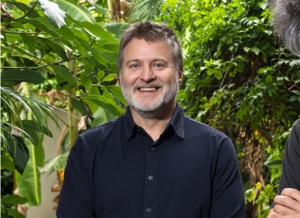
Luis Zahera: How a Supporting Actor Became a Netflix Star at 60
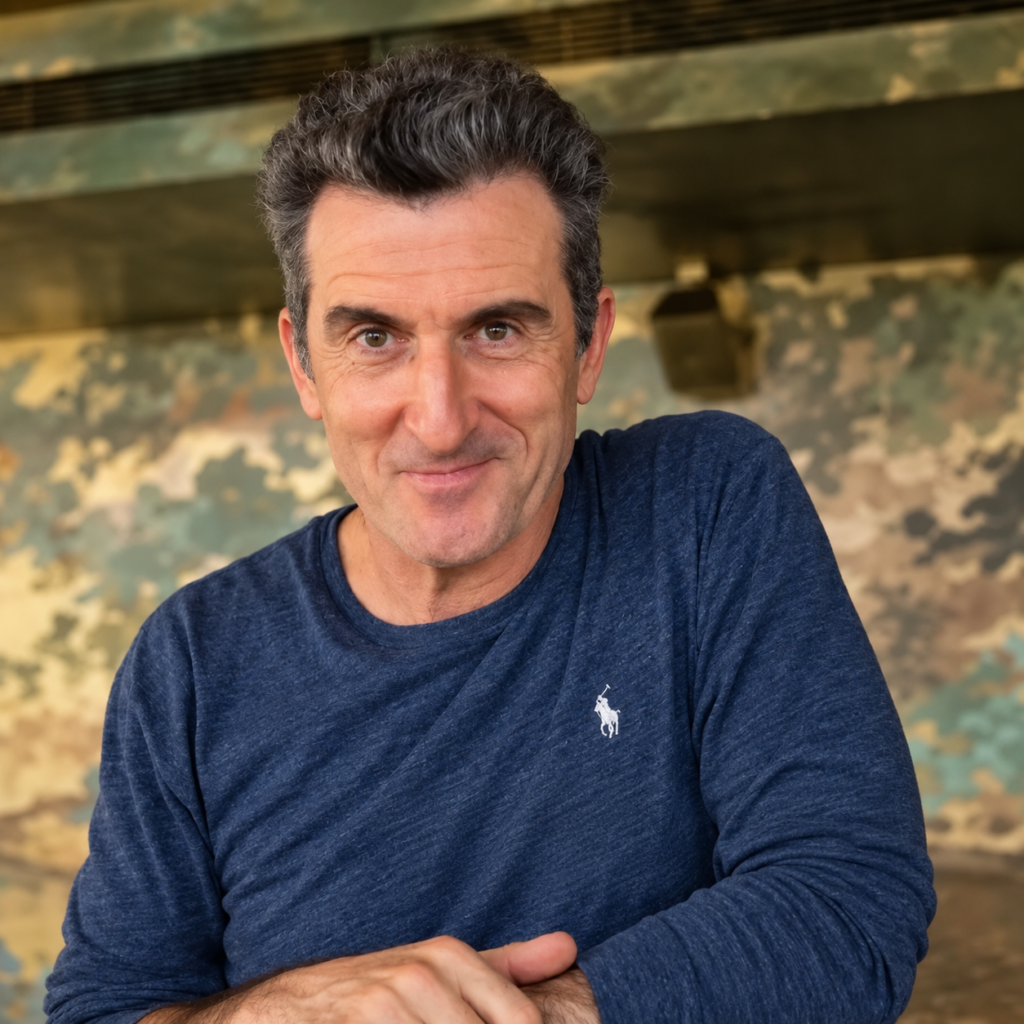
Luis Zahera construyó durante décadas una carrera de personajes secundarios hasta convertirse en uno de los actores españoles más reconocidos de su generación.
For years, Luis Zahera was recognized more by his face than by his name. He was the unsettling guy who appeared in a scene and somehow stole it. With the patience of a craftsman, the actor from Santiago de Compostela went from being a familiar face on Galician television to winning two Goya Awards, receiving Spain’s Gold Medal of Merit in the Fine Arts, and starring in one of Netflix’s most-watched Spanish series. At 60, he is experiencing the highest point of a career that began almost four decades ago.
A Man From Compostela Far From the Entertainment Circuits
José Luis Castro Zahera was born in Santiago de Compostela in May 1966. He grew up far from the environments where actors usually train and, before dedicating himself fully to acting, worked in different jobs. That experience of everyday life, far from Madrid’s drama schools, can be seen in many of his characters: ordinary people, sometimes awkward, sometimes dangerous, but always believable.
His film debut came early, in 1987, with a role in Divinas palabras, the adaptation of Valle-Inclán’s play directed by José Luis García Sánchez.
Petróleo, the Neighbor Everyone Recognized
His first major public recognition came in Galicia thanks to Petróleo, his character in Mareas vivas, the Galician television series that was part of everyday life for thousands of families for years. Petróleo made Zahera a popular figure in his home region long before the rest of Spain knew his name.
Over the next two decades, he built a solid and understated career, almost always in supporting roles. He played one of the prisoners in Cell 211 (2009), Daniel Monzón’s film that dominated the Goya Awards that year, and continued adding film and television roles that established him as one of those actors directors call when they need a scene to work.
The Supporting Actor Who Steals the Film
The turning point came through Rodrigo Sorogoyen. In The Realm (2018), a thriller about political corruption in Spain, Zahera played Cabrera, a character as unpleasant as he was magnetic. The performance earned him the Goya Award for Best Supporting Actor in 2019, his first major national prize.
Four years later, he worked with Sorogoyen again in The Beasts (2022), a story of rural tension set in a Galician village. There he played Xan, a resentful neighbor who harasses a French couple who have settled in the town. The performance earned him his second Goya in the same category, as well as a Platino Award and an award from the Spanish Actors Union.
Zahera eventually turned that specialty into a trademark. In Spain’s entertainment world, he became known for playing “chungos,” a colloquial term for rough-looking or difficult characters. Rather than being bothered by the label, he turned it into material for a project of his own.
Chungo, a Monologue About Himself
In Chungo, a roughly 80-minute stage show, Zahera revisits his career through comedy. Onstage, he tells stories from his childhood, his beginnings in television and his experiences on film sets, revealing a comic side audiences rarely see on screen. In a way, it is his opportunity to laugh at the image cinema has built around him.
From Supporting Actor to Leading Man
In January 2024, he received the Gold Medal of Merit in the Fine Arts, one of Spain’s most important cultural distinctions. That same year, the Málaga Film Festival awarded him the Silver Biznaga for Best Actor for Pájaros, in which he plays Mario. It confirmed that he was no longer simply one of Spanish cinema’s great supporting actors.
The definitive leap came with Animal, a Netflix series released in 2025 in which he plays Antón, a rural Galician veterinarian who, pushed by the agricultural crisis, ends up working in a city pet store. The series combines comedy and drama, and the role earned him Best Actor nominations at both the Forqué Awards and the Feroz Awards.
The success was immediate. In October 2025, Netflix confirmed a second season and, during filming in 2026, it was reported that the series would also have a third. By early 2026, media outlets in several countries were already describing him as one of Spain’s actors of the moment, with a popularity extending well beyond his country’s borders.
2026, a Year of Premieres
Zahera enters the year with a packed schedule. In March, Prime Video premiered Zeta, an espionage thriller directed by Dani de la Torre and starring Mario Casas, in which Zahera plays Salvador Ancares. His 2026 filmography also includes Karma and Boulevard, while work continues on new seasons of Animal.
Zahera’s career illustrates something unusual in an industry that often rewards youth and rapid fame: an actor who reached his strongest moment after the age of 50, following decades of steady work. The young man from Compostela who began with Valle-Inclán ended up at the top of Spanish cinema by making believable the kinds of characters nobody would want as neighbors.